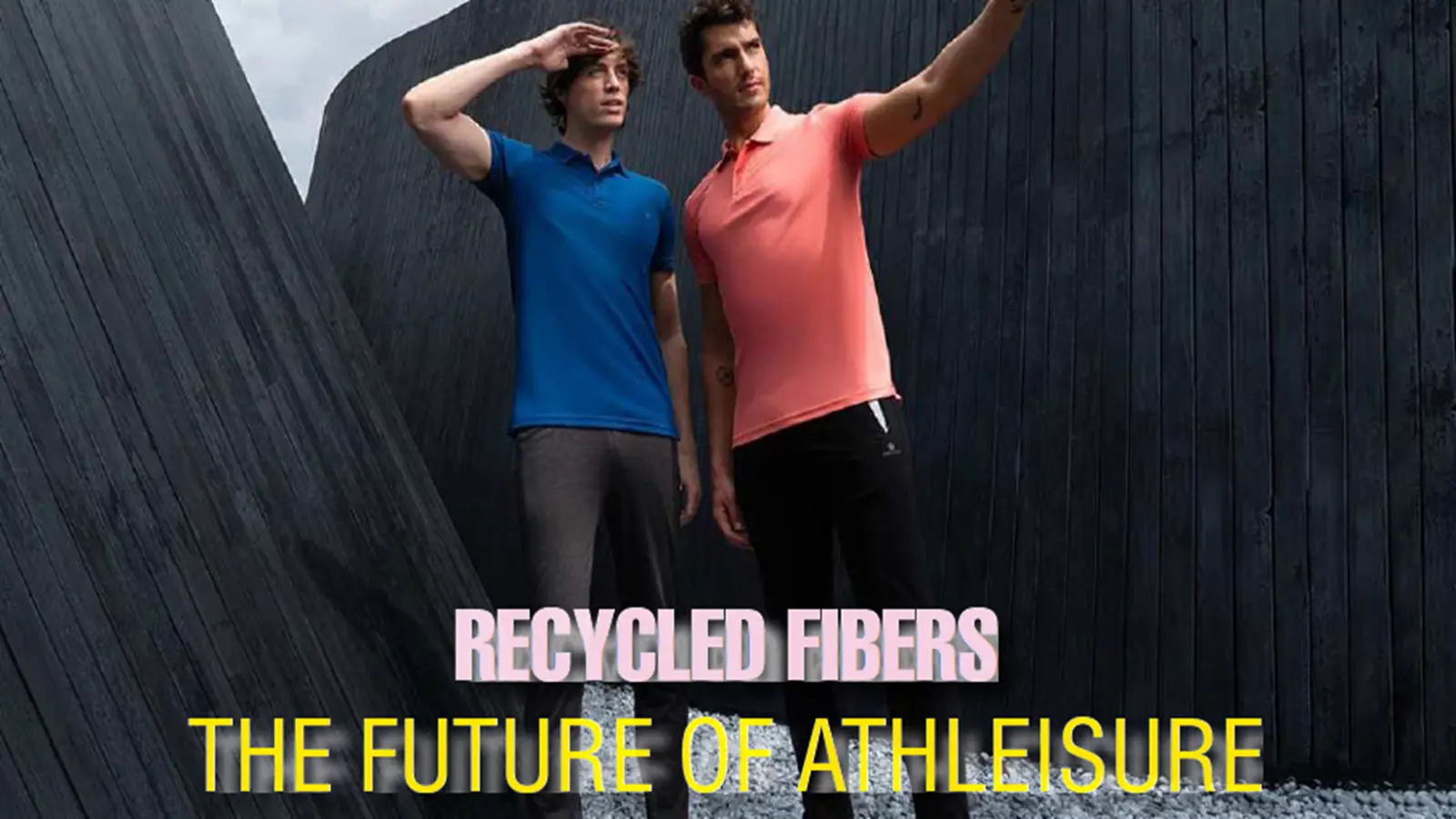
Recycled Fibers The Future Of Athleisure
Share Post
Athleisure has always been more than a fashion category; it is an emotional language of movement, comfort, identity and performance. Over the last decade, it has stepped out of the gym, spilled into everyday life and transformed how people dress for work, travel and leisure. This shift has brought the textile industry face to face with one of the biggest questions of our time: can comfort and performance co-exist with sustainability? As consumers demand clothing that supports their active lifestyle without harming the planet, the answer is increasingly shaped by one powerful innovation high- quality recycled polyester and recycled nylon.
Once considered secondary, recycled synthetics have become the backbone of modern athleisure. They are no longer the rough, dull, compromise-filled versions of virgin fibres. Today’s recycled materials are engineered with advanced purification, molecular regeneration, and precision spinning technologies that allow them to perform at the same level or sometimes better than traditional fibres. This evolution is not accidental; it is the result of a global push to rethink waste, re-engineer materials, and close the loop in one of the most resource- intensive industries in the world.

The journey of recycled polyester and nylon is, at its core, a story of reinvention. Plastic bottles crushed into flakes, ocean waste transformed into smooth yarns, industrial discards reborn into high-stretch fabrics every strand carries the imprint of transformation. As athleisure becomes the everyday language of dressing, it leans heavily on fibres that are strong enough for workouts, soft enough for all-day wear, breathable enough for changing climates, and resilient enough for endless movement. Recycled synthetics meet this unique intersection with surprising elegance.
To understand their rising importance, one must begin with the global shift in consumer mindset. Today’s user is label-aware, material-conscious, and wants transparency. Shoppers flip the care tag to check whether their leggings or T-shirts are made from “recycled content.” They want clothing that does more than fit their body they want it to fit their values. The growing spotlight on climate change, microplastic pollution, and resource depletion has intensified this demand. Whether it is a mid-range athleisure brand or a luxury performance label, the push for responsible raw materials is rewriting the supply chain itself.
Yet, recycled polyester and nylon are not just about environmental storytelling. What truly brings them into the spotlight is performance. Athleisure garments must stretch, breathe, recover shape, wick moisture, resist abrasion, endure washing cycles, and maintain colour. Not many materials achieve this balance. Polyester and nylon have historically been leaders in these categories, and the arrival of high-quality recycled variants means brands no longer have to choose between sustainability and performance they can deliver both.
Applications of Recycled Polyester and Recycled Nylon in Athleisure
But the transformation was not always simple. Early recycled synthetics had visible limitations. They lacked uniformity, suffered from low tenacity, and often produced fabrics that felt coarse. Today’s versions, however, emerge from far more advanced scientific processes. Sources such as PET bottles, pre-consumer industrial waste, fishing nets, and even carpet waste undergo processes like chemical depolymerization and molecular purification. These techniques clean the material down to its molecular form, removing impurities and allowing the fibre to be rebuilt with near-virgin quality. The resulting yarns have consistent filament structures, vibrant dye reception, and improved durability.

Recycled polyester (rPET) stands at the center of this revolution. Polyester is the king of athleisure lightweight, fast-drying, durable, and easy to blend with spandex for stretch. As demand exploded, so did the environmental burden of virgin polyester production. The idea of converting waste plastic into usable fibres began as a small-scale experiment decades ago. Today, it is a full-fledged global industry. The processing chain has become incredibly efficient: plastic bottles are collected, sorted, washed, shredded, and turned into chips that are melted and extruded into new filaments. Modern purification technologies create smooth, high-tenacity yarns that support performance wear applications.
Nylon, historically known for toughness, elasticity and abrasion resistance, is equally essential to athleisure. However, nylon production is energy-intensive and emits a significant amount of greenhouse gases due to adipic acid manufacturing processes. This is where recycled nylon especially those derived from fishing nets, industrial scraps, and textile waste has emerged as a game changer. Regenerated nylon is produced through advanced chemical recycling processes that break the material down to its building blocks. These molecules are then rebuilt into new nylon with the same molecular structure as virgin fibre. The result is remarkable: a raw material that retains nylon’s signature strength and stretch, but with a dramatically smaller environmental footprint.
Athleisure brands have embraced the new generation of recycled synthetics with enthusiasm because they meet three critical needs: sustainability, performance and market differentiation. In an era when consumers care about the lifecycle of their clothes, recycled fibres allow brands to tell a story. “Made from 50 recycled plastic bottles” is more than a statement it is a powerful marketing narrative. It connects consumers emotionally to the idea that their everyday leggings are part of a global solution.
But beyond storytelling lies the technical brilliance that makes these fibres ideal for athleisure. Recycled polyester benefits from excellent moisture management, ensuring sweat is pulled away from the skin during intense activity. It dries quickly, helping regulate body temperature. When engineered in microfilament form, it creates ultra-soft fabrics that rival natural fibres in comfort. High-quality recycled polyester is often blended with elastane or spandex to create stretch fabrics essential for yoga wear, sports bras, compression leggings and performance jackets. The fabrics maintain their shape even after repeated stretching, an attribute highly valued in athleisure.
Recycled nylon offers unmatched resilience. It withstands abrasion, making it ideal for heavy-use garments such as training tights, high-impact sports bras, windbreakers, and cross-training apparel. Its inherent elasticity makes it perfect for garments that must accommodate dynamic movements. For athleisure designers who prioritize a sleek, smooth surface finish, recycled nylon delivers an elegant appearance and luxurious hand feel attributes that elevate its use beyond sportswear into premium lifestyle apparel.
One of the biggest technological leaps supporting recycled materials is the improvement in filament spinning and yarn engineering. Manufacturers can now produce ultra-fine denier filaments from recycled sources, enabling lightweight and breathable fabrics. Yarns can be designed to have textured surfaces for better insulation or smooth surfaces for cooling effects. Mechanical and chemical recycling systems have become so refined that impurities are minimized, ensuring consistent dye uptake and eliminating colour variation issues that once plagued the industry.
Benefits of Using Recycled Polyester & Recycled Nylon in Athleisure
Another compelling innovation is the development of dope-dyed recycled fibres, which involve adding colour pigments during the fibre extrusion process instead of traditional fabric dyeing. This saves enormous quantities of water, energy and chemicals, making it an ideal solution for eco-conscious athleisure brands. Dope dyeing also enhances colourfastness, ensuring garments maintain their vibrancy even after intense use and repeated washing.

The shift toward recycled polyester and nylon has also triggered significant changes in the global supply chain. Brands are forging partnerships with recycling companies, plastic collection programs, and ocean- cleanup initiatives to secure consistent feedstock. Some brands have even established their own recycling systems to ensure traceability and create closed-loop models. These collaborations strengthen the supply chain and empower companies to guarantee that their raw materials meet both quality and sustainability standards.
But even with all these advancements, challenges remain. Collecting, sorting and cleaning waste materials demand robust infrastructure. Quality consistency requires high-tech equipment and strict process control. While demand for recycled polyester and nylon is rising, scaling production to meet global consumption levels will take time. Yet, the pace of innovation suggests that these challenges are gradually being addressed. New technologies continue to improve feedstock purity, yarn performance and processing efficiency.
In the context of athleisure, recycled fibres also serve a deeper narrative. Athleisure is the uniform of a generation that values experience over possessions, wellness over appearance, and purpose over passive consumption. These customers want clothing that allows them to move freely and live consciously. Recycled polyester and nylon integrate seamlessly into this lifestyle not just because they are sustainable, but because they empower designers to create clothing that feels good, performs well, and carries a meaningful story.
As the climate conversation grows louder, governments and global organizations are increasing pressure on the textile industry to reduce emissions and shift toward circularity. Recycled synthetics naturally align with these regulatory movements. Their ability to reduce reliance on fossil-based polymers and repurpose waste into valuable materials gives them an advantage in future compliance landscapes. Athleisure brands that adopt recycled materials early are not only building environmentally responsible products but also preparing themselves strategically for the next decade of market evolution.
A particularly exciting direction within recycled materials is the emergence of blended recycled technologies. Some companies combine recycled polyester with bio- based elastane, recycled spandex, or natural fibres to enhance the sustainability profile of the entire garment. These hybrid structures create fabrics that feel natural, stretch effortlessly and support performance without adding environmental burden. They highlight the growing sophistication of raw-material engineering for athleisure.
Consumer perception plays a powerful role as well. There is a sense of pride in choosing garments made from recycled fibres. Knowing that a pair of leggings might have come from discarded fish nets or a trail- running jacket from post-consumer plastic bottles adds a narrative of responsibility. This emotional connection is becoming a unique selling point in the athleisure market. Younger consumers especially gravitate toward materials that reflect conscious choices.
The growth of recycled polyester and nylon is also tied closely to the rise of traceability tools. QR-coded labels, blockchain-based supply chain tracking and digital passports allow consumers to verify the origin of their garments. This transparency builds trust. When buyers see verifiable data showing that their apparel contains certified recycled content, it strengthens their loyalty to the brand. Athleisure companies benefit tremendously from this trust, especially in an era where greenwashing concerns are high.
Another area witnessing rapid development is high- performance recycled yarns engineered for specific end uses. Some recycled polyester yarns are optimized for moisture-wicking, others for insulation or cooling. Recycled nylon variants can be tuned for higher elasticity or abrasion resistance for rugged activities. These engineered fibres make it possible for athleisure designers to create category-specific garments for example, cooling running tops, compressive yoga leggings, fleece-lined winter joggers or quick-dry swim tops using materials that also support sustainable values.
The design freedom these fibres offer is immense. Athleisure relies heavily on aesthetic appeal sleek surfaces, bold colours, contour-enhancing fits and modern silhouettes. High-quality recycled fibres support these creative directions without compromise. They can be knitted into seamless structures, woven into lightweight windproof fabrics, bonded into multi- layer panels, or blended into soft-touch jerseys. The softness, stretch, and colour clarity achieved with today’s recycled synthetics would have been unimaginable a decade ago.
From a technical standpoint, the thermal regulation capability of recycled polyester is notable. When engineered in micro-denier form, the fibres create more surface area to disperse moisture quickly. This provides effective cooling during workouts and comfort during daily wear. For winter or cold-weather athleisure, recycled polyester can be spun into hollow fibres that trap air, creating natural insulation without weight. These thermal properties make it ideal for a wide spectrum of athleisure garments.
Recycled nylon’s smoothness and strength make it ideal for garments requiring precise stretch profiles. When paired with high-grade elastane, it creates fabrics with excellent recovery, avoiding sagging even after long hours of wear. This makes it a preferred material for premium leggings, compression tights, performance shorts, and fitted tops. Despite being recycled, these fibres retain the technical rigor expected from top-tier performance wear.
Looking at the future, the role of recycled polyester and nylon in athleisure will only grow stronger. More brands are committing to timelines where their products will contain 50% to 100% recycled content. Innovations such as enzymatic recycling, molecular-level purification and smart sorting technologies will make it easier to convert textile waste into high-grade feedstock. This will strengthen the circularity loop, allowing old leggings to become raw material for new ones a truly sustainable lifecycle.
The rise of athleisure is deeply intertwined with the rise of conscious materials. The category exists at the intersection of fashion, wellness, sports science and everyday lifestyle. Modern consumers want garments that support them physically and align with their environmental values. Recycled polyester and nylon have stepped in as the perfect partners for this new era. They are not simply materials they are symbols of progress, reflecting a future where performance does not come at the planet’s expense.
The story of high-quality recycled fibres is a reminder that innovation often begins where we least expect it in discarded waste, in forgotten plastics, in abandoned fishing nets. The transformation of these neglected materials into high-performance athleisure fabrics represents one of the most compelling success stories in modern textile engineering. It is proof that technology, creativity and responsibility can co-exist beautifully.
As athleisure continues to evolve, recycled polyester and nylon will remain the silent heroes behind every stretch, every movement, every moment of comfort. They are shaping a new generation of textiles that are lighter on the skin and gentler on the planet. In a world searching for balance, these fibres offer a path forward one where style meets sustainability, and innovation becomes the foundation of a better tomorrow.
04:07 PM, Jan 13
.webp)
.webp)


.webp)