

Bangladesh Textile Spinning Sector in ICU: BTMA Issues 72-Hour Ultimatum as Indian Yarn Imports Surge
Share Post
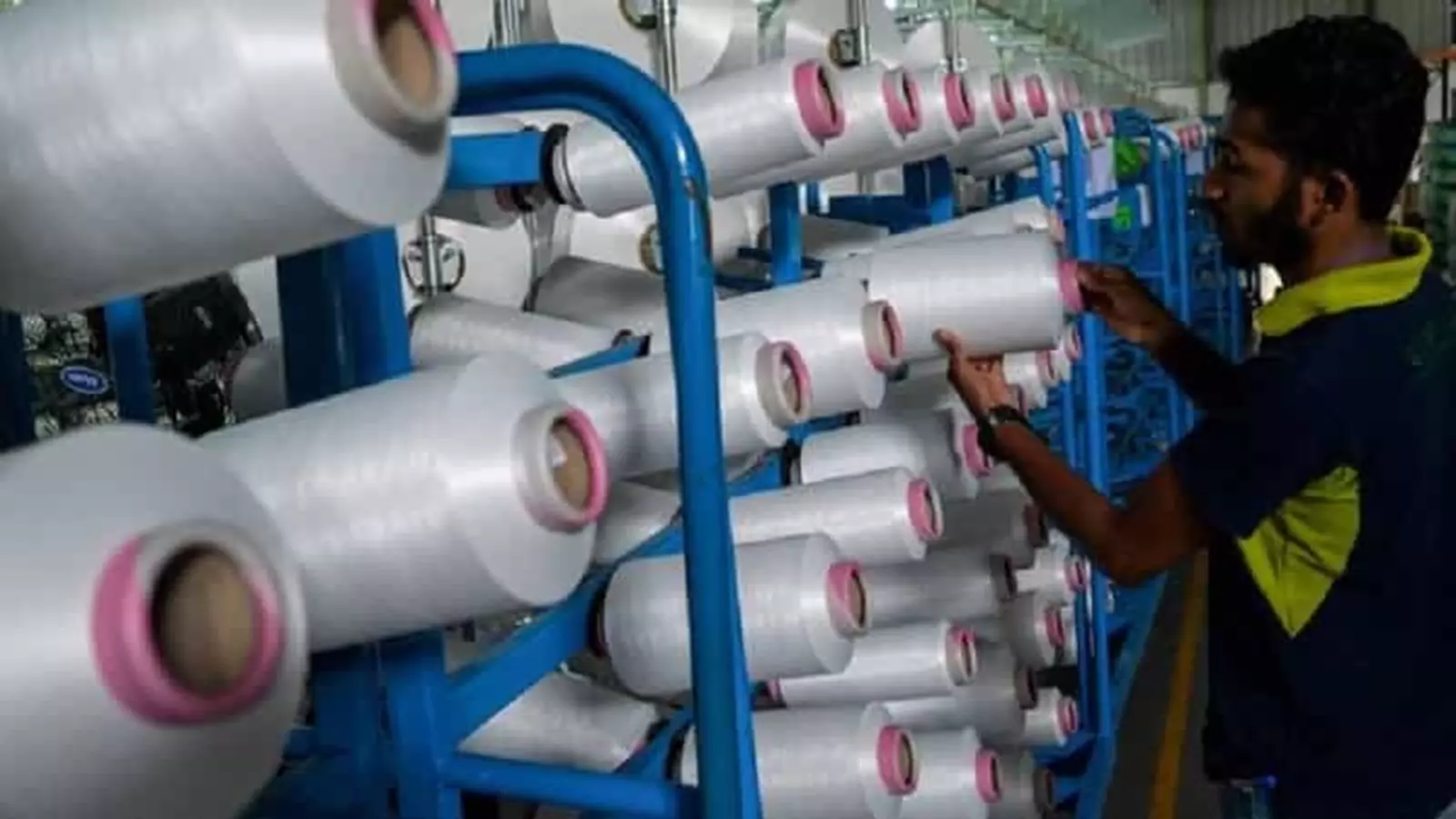
Bangladesh’s Textile Spinning sector—one of the most critical pillars of the country’s export-led economy—is facing what industry leaders describe as an existential crisis. With a 137% surge in yarn imports from India over the last 22 months, mounting financial losses, and nearly 100 spinning mills effectively shut or operating at minimal capacity, the Bangladesh Textile Mills Association (BTMA) has issued a stark warning: decisive government action must come within the next 72 hours, or the damage may become irreversible.
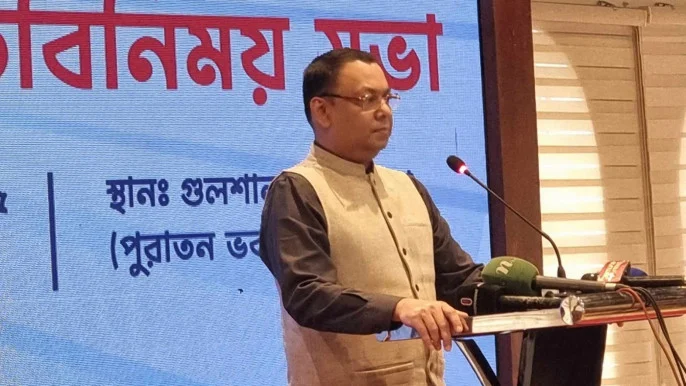
In a high-level meeting organized in Dhaka’s Gulshan Club, “Bangladesh Textile Mills Association President Showkat Aziz Russell depicted a doomsday scenario of a sector that has been reduced to what he called the ‘ICU level condition’. As he claimed, the government’s failure to take proper policy initiatives, combined with what the sector considers a practice of subsidized Indian yarn dumping into the domestic market, is systematically destroying the spinning sector of the country and the backward linkage of Bangladesh’s readymade garment sector
A Flood of Imports and Unequal Competition
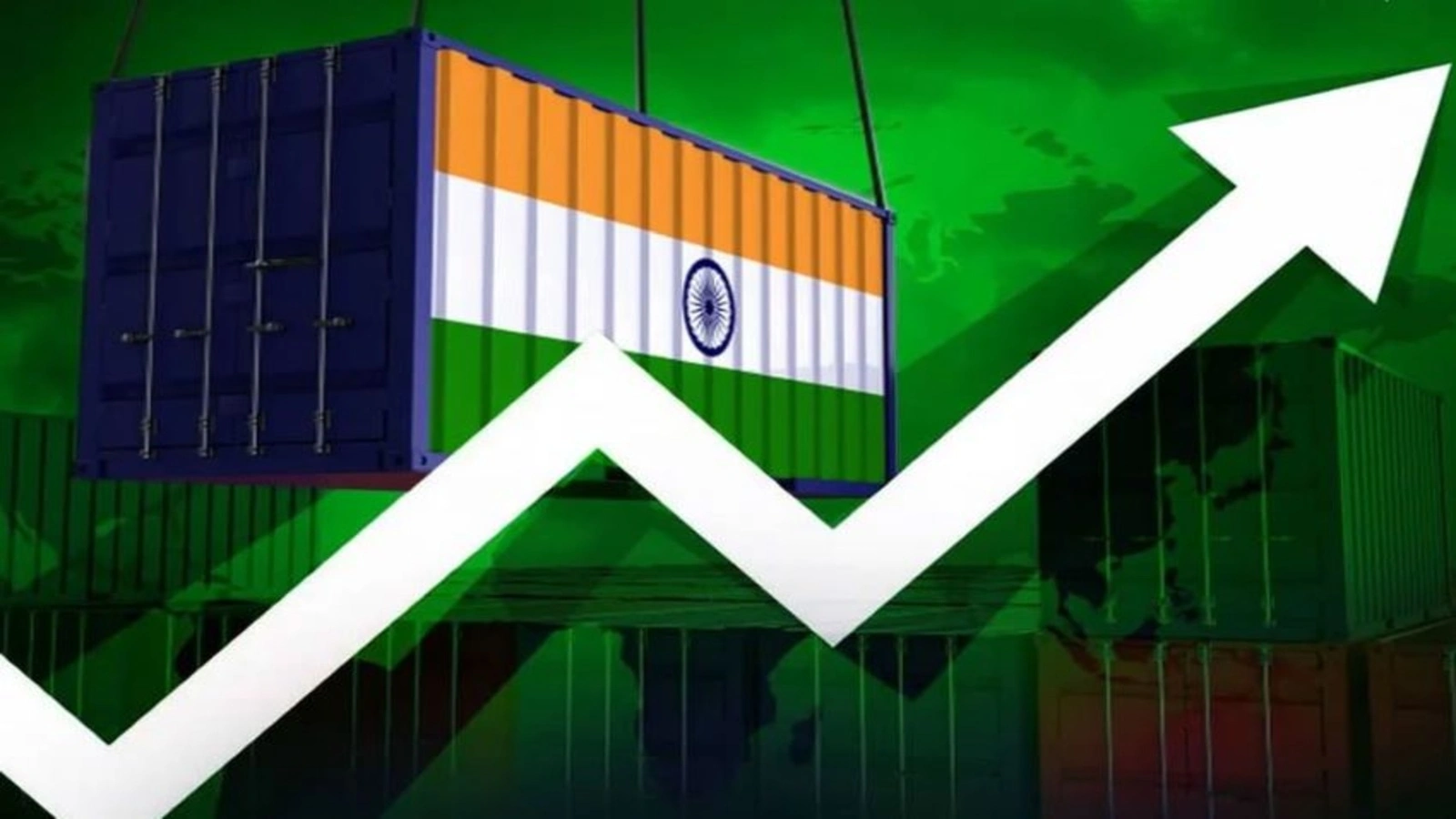
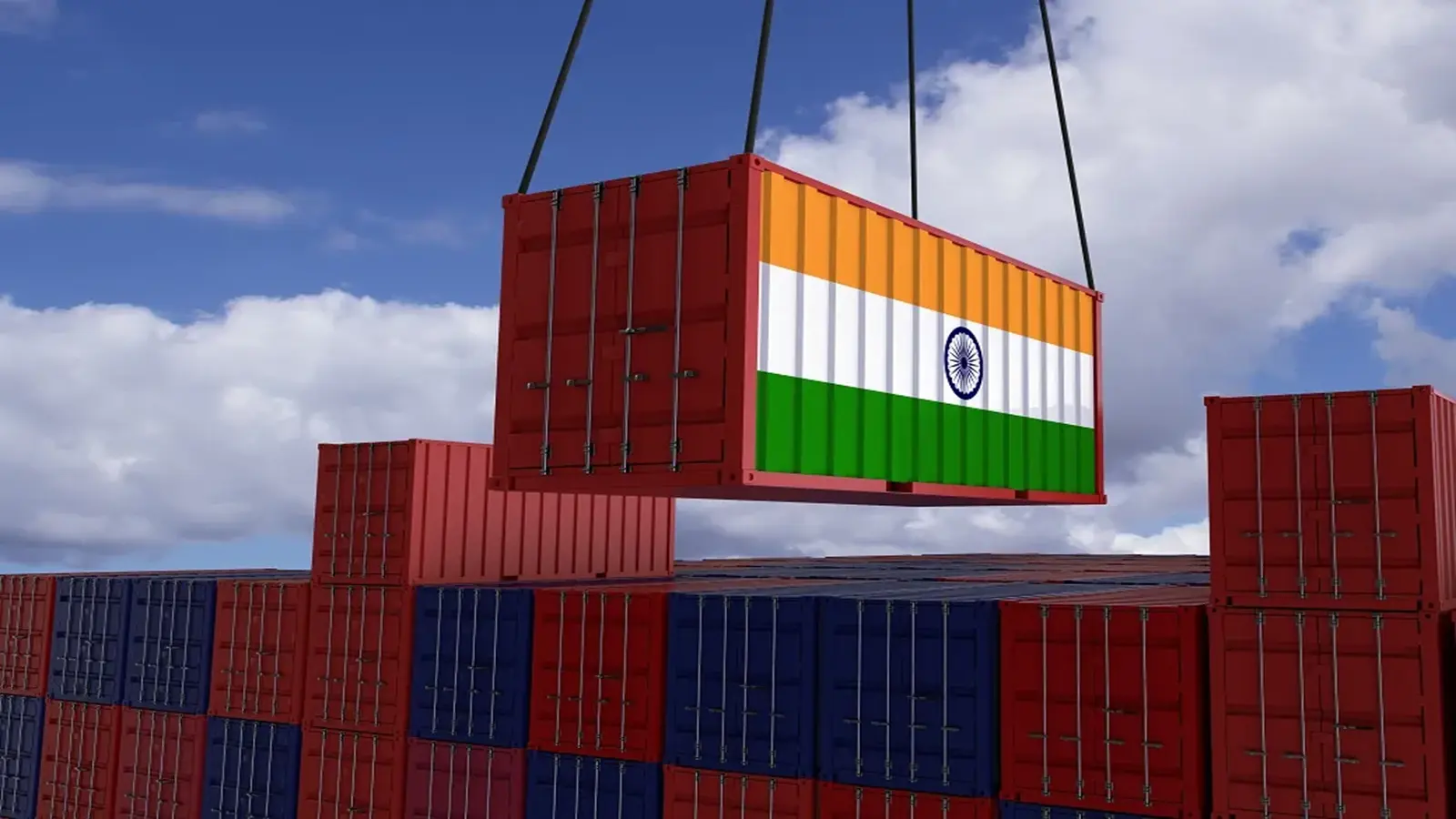
The immediate cause of the current crisis, therefore, is the huge flow of Indian yarn imports to Bangladesh. According to BTMA, imports of yarn from India have risen by 137% in the past 22 months, with Bangladeshi imports reaching almost USD 2 billion in one year. Notably, sector players have reported alarming information, where India exports 44% of its total yarn exports to the Bangladeshi market, making Bangladesh its number one export destination for yarn exports, ahead of Cambodia, which is the second-largest importer with a mere 22%.
As per Russell, yarn is being sold by Indian Exporters in Bangladesh for USD 0.30 per kg lower than what Bangladesh manufacturers can achieve, which is owing to subsidies, support and lower energy costs, and lower cotton prices in India, according to him.
“This is not competition, this is dumping, and it is destroying our spinning mills,” Russell said.
According to industry insiders, while Bangladesh has held an open market with facilities for the entry of duty-free or low-duty goods in the pursuit of export ability, the Indian government has actively subsidized the textile industry in India for land, electricity, labor, and production costs.
Mills Closure Hangs in Balance; Jobs Threatened
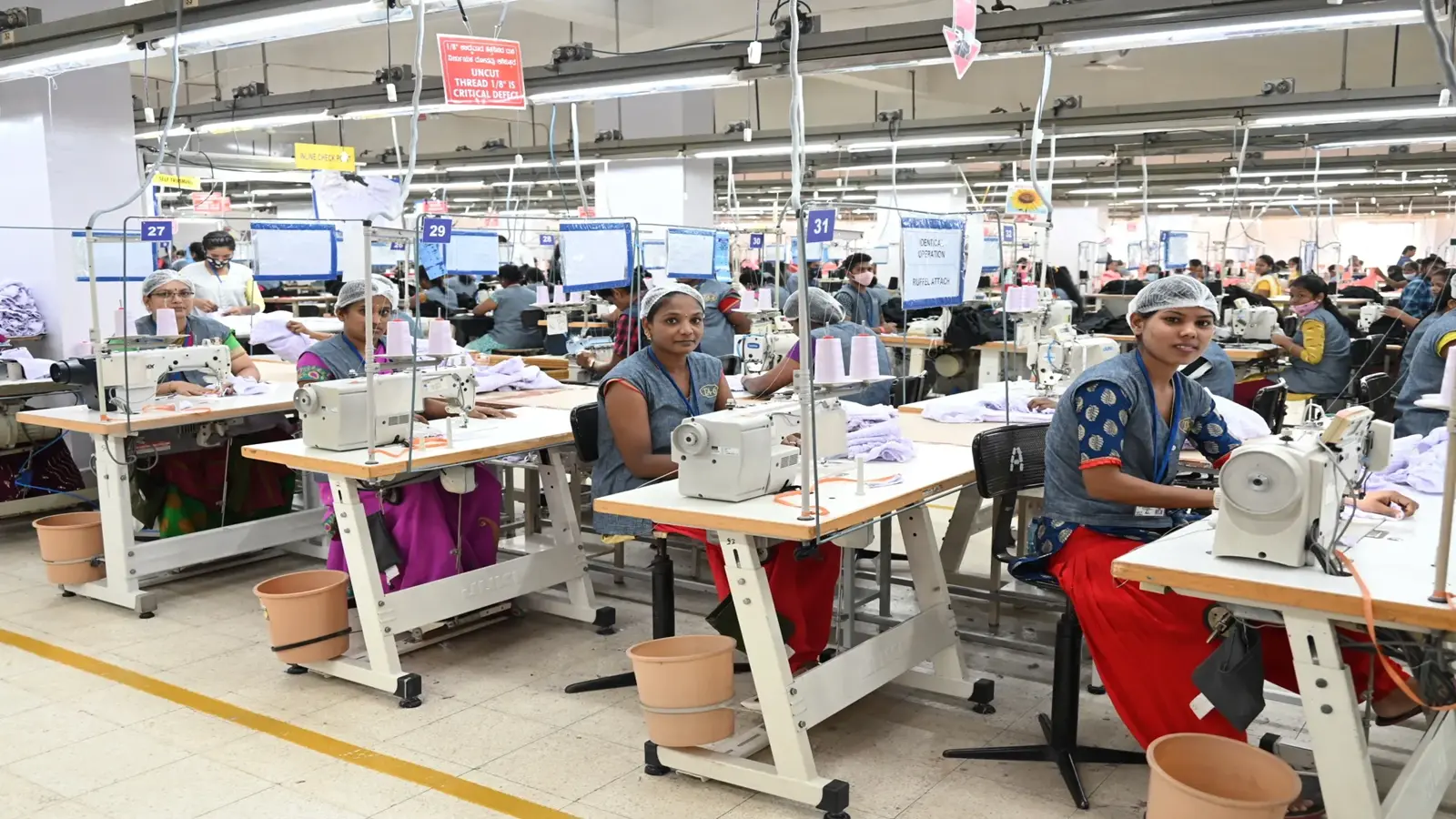
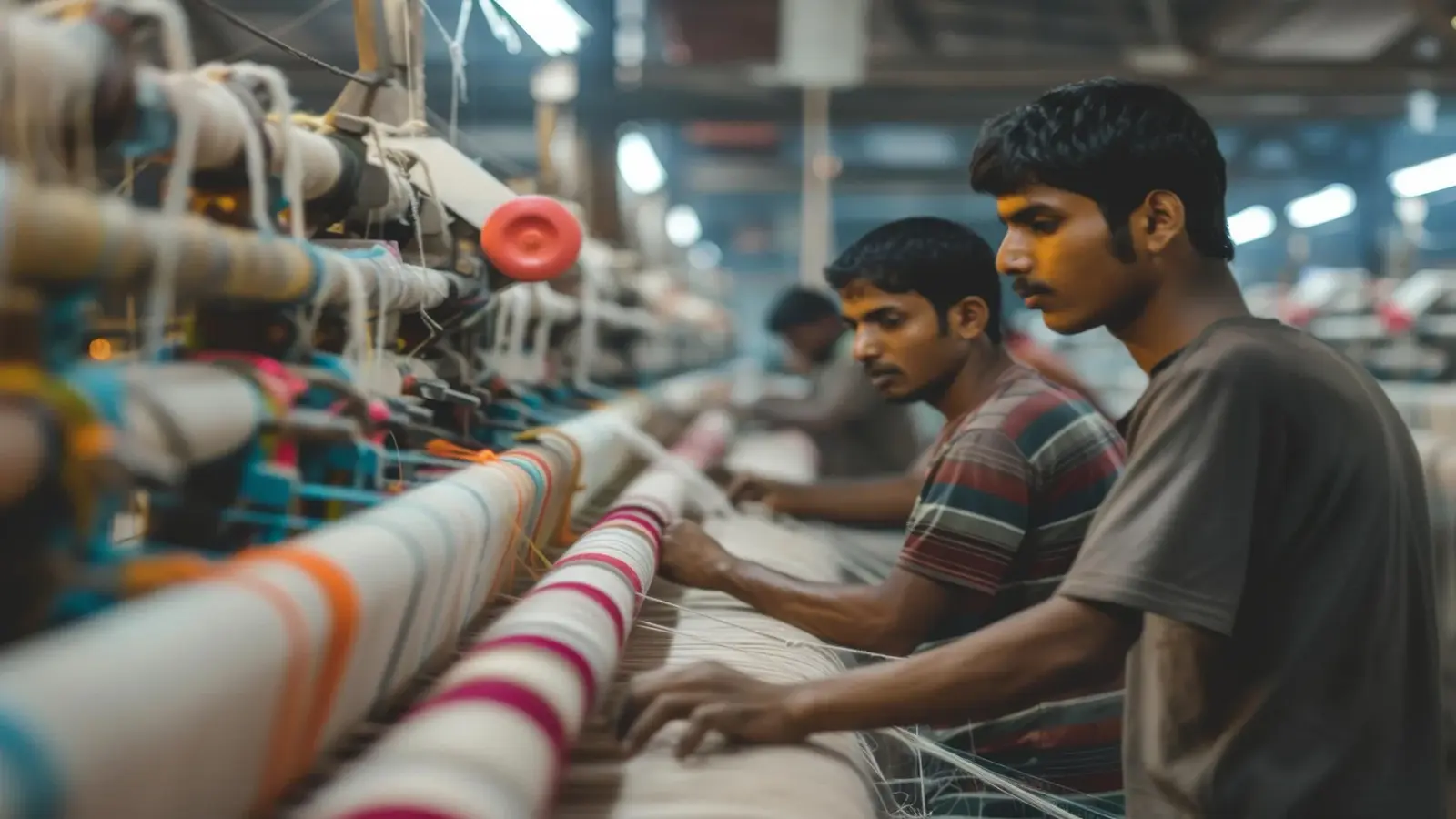
The effects of the inequality are already being seen on the ground. Out of more than 500 mills that are producing yarns in Bangladesh, 50 are fully closed with another 50 operating at a significantly reduced level. Altogether, BTMA estimates that nearly 100 mills are effectively shut down.
A closed spinning mill means an outlay of BDT 500–700 crores, and the total number of jobs threatened is close to 200,000 direct and indirect jobs. Notably, Russell has already reported the closing down of his five textile mill business and is now studying the viability of the rest.
“And if it continues,” he said, “you may soon see a BTMA president without any textile mills.”
Adding to the woes, the sector is also facing an unprecedented surge in the buildup of unsold stocks. Spinning mills are now holding an unprecedented Tk 12,000 crore worth of unsold yarn, prompting many manufacturers to resort to selling at prices lower than their production cost, so as to meet the wages of workers and pay utility bills.
Sectoral Importance: More Than Just Yarn
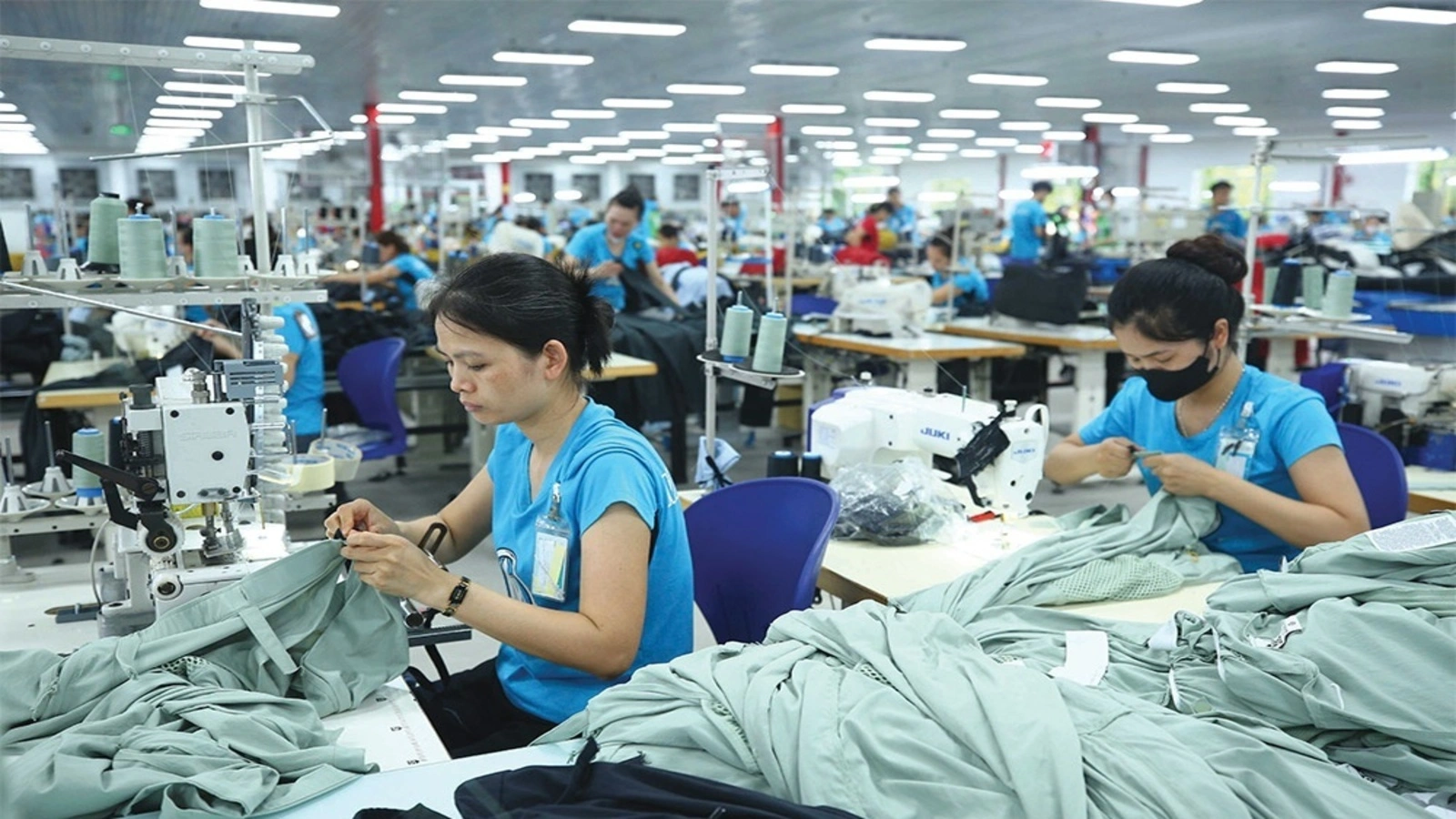
Industry leaders emphasize that the spinning segment is not operating in a vacuum—that is, it is the backbone of the entire Bangladesh textile and apparel industry. The textile industry is contributing around 13% to the country’s GDP, and together with the textile and RMG industry, it is securing around 85% of the country’s total export earnings, which is nearing USD 40 billion.
Over the years, the sector has seen investments worth USD 22-23 billion, and this has ensured the creation of good backward linkages, which have made it feasible for garment exporters to cope with the short lead time, compliance, and value addition required by customers.
As the former president of the BTMA, Mohammad Ali Khokon warned, “If the spinning industry collapses, the backward linkage of our garments industry will collapse with it.”
“The Sector Is Already in ICU”
In the same forum, Khokon made one of the most alarming announcements, saying that the situation is considered by many to be an economic emergency.
“This industry does not require oxygen. It is already in the intensive care unit. What is needed for a USD 22 billion industry, and for the country’s economy, is for the government to take drastic steps.”
He also focussed on the emerging situation due to increased taxes. According to Khokon, the textile industries earlier used to pay an average tax of 12.5-15%, but now with the new budget, the textile industries have to pay an average tax of 27%.
“This is like striking an already falling sect with an axe,” he said, using the words “morar upor kharar ghaa” to emphasize the gravity of the situation.
Energy, Finance, and Structural Pressures
Apart from the issue of imports, the BTMA identified other structural disadvantages which have affected the industry’s competitiveness:
· High bank interest rates, making it impossible for capital-intensive spinning mills to remain viable
· Rising gas and electricity tariffs, despite global energy prices falling
· Inconsistent energy supply, disrupting production planning
Russell questioned why domestic gas prices have not been adjusted downward in line with global trends. “When global gas prices rise, prices are increased here. But when global prices fall, why don’t we see relief?” he asked.
To address these challenges, BTMA leaders called for:
· Reduced lending rates for textile mills
· Rationalisation of gas and electricity prices
· Creation of a dedicated textile financing window at Bangladesh Bank with concessional terms
“The spinning sector cannot survive on commercial interest rates,” Khokon stressed.
Allegations of Economic Aggression
The situation was likened to "economic aggression" by former vice-president for BTMA, Razeeb Haider Chowdhury. The production price for Indian yarn is actually USD 3 for every kilo, and it is being sold to the people of Bangladesh for only USD 2.5, as claimed by Chowdhury.
As a result, foreign buyers are increasingly nominating Indian suppliers for yarn used in Bangladeshi garment exports, further marginalising local mills.
“We are on the brink of destruction,” warned Razeeb. “If this continues, the wheels of the country’s economy might stop.”
He further warned that a high level of yarn importation might endanger the country’s future trade benefits, including GSP benefits in the US and EU, as value addition in these countries is being closely scrutinised.
BTMA’s 72-Hour Demands
To prevent further collapse, BTMA has placed a set of urgent demands before the government, urging decisions within the next 72 hours:
· 10% production support incentive on the selling price of locally produced yarn
· Safeguard duty of USD 0.30–0.35 per kg on imported yarn
· Tighter controls on duty-free yarn imports under bonded warehouse facilities
· Measures to increase local value addition
· Restoration of the Export Development Fund (EDF) loan limit and extension of repayment periods
Former BTMA president A Matin Chowdhury emphasised that these measures are not about seeking handouts. “This is not about subsidies, it is about survival,” he said, adding that investors had committed billions based on government policies that promised fair competition.
A Warning for the Future
The BTMA leadership has also given a strategic warning that if spinning mills in Bangladesh are shut down, Bangladesh will be in a dangerously vulnerable position regarding importation. As Russell remembered that there have been occasions when India momentarily ceased their export of cotton and yarn to Bangladesh.
“India must be made to understand that if it wants friendship, it must act like a friend,” he said, citing his own experience of exporting RC Cola to Kolkata, where tax rules were changed within days.
An Economic Emergency Demanding Action
As the clock ticks towards the 72-hour mark, industry stakeholders continue to emphasize that the textile and garment industry should be considered as one unit, or as part of one ecosystem, beginning from cotton, yarn, fabric, and clothing, and so on and so forth.
With so much investment, so many jobs, and so much export competitiveness on the line, BTMA argues that “It has become no longer a policy but an economic emergency to save the spinning industry.”
“If immediate action is not taken,” Russell warned, “the effect will be irreversible.”
01:32 PM, Dec 29
.webp)
.webp)
Epic Group Launches $100 Million Odisha Mega Garment Hub in India
12:59 PM, May 01
Prada Elevates Kolhapuri Craftsmanship to the Global Luxury Stage
04:25 PM, Apr 30
.webp)
Chinese Delegation Eyes Major Textile Investment Push in Bangladesh
02:36 PM, Apr 29Industry Update
1.webp)
1.webp)
1.webp)


1.webp)

1.webp)
India’s Textile Exports Slip in FY26, Exposing Structural Gaps in Global Competitiveness...view more

1.webp)
1.webp)
1.webp)
.webp)

1.webp)
1.webp)
1.webp)
1.webp)
India Textile Exports Fall in FY26: Apparel Shows Slight Strength Amid Global Challenges...view more
1.webp)

1.webp)

1.webp)
1.webp)
1.webp)
1.webp)
1.webp)


India Expands ₹10,683 Crore Textile PLI Scheme to Boost MMF and Technical Textile Growth...view more

1.webp)
1.webp)
1.webp)
1.webp)


1.webp)



1.webp)


1.webp)


1.webp)


1.webp)



1.webp)
1.webp)
Punjab Eyes Green Transformation of Textile Processing Clusters to Attract Global Brands...view more


1.webp)



1.webp)


.webp)
1.webp)
1.webp)

.webp)
1.webp)
1.webp)


1.webp)
1.webp)
1.webp)
1.webp)



1.webp)
1.webp)
1.webp)

1.webp)



1.webp)


1.webp)
1.webp)
.webp)


1.webp)


1.webp)

1.webp)

1.webp)


1.webp)


1.webp)
1.webp)
1.webp)


Kolkata Set to Become Textile Sourcing Hub as YARNEX and TEXINDIA Return in January 2026...view more
1.webp)
1.webp)

1.webp)


1.webp)


1.webp)
1.webp)
1.webp)


1.webp)
1.webp)
1.webp)

1.webp)


1.webp)


1.webp)
1.webp)


India Textile Industry 2025 Review: How US Tariffs Hit Exports, and the Road to Recovery...view more
1.webp)


1.webp)


1.webp)



1.webp)



1.webp)


1.webp)


1.webp)
1.webp)

Europe’s Textile Sector Alarms as Ultra-Fast Fashion Firms Partner With Postal Operators...view more

1.webp)

1.webp)

1.webp)

.webp)



1.webp)

1.webp)










1.webp)





.webp)



1.webp)


1.webp)

1.webp)


Indorama Ventures Pioneers Scalable Bio-Based PET Fibers for a Low-Carbon Textile Future...view more



Carrington Textiles Introduces Defence Stock Range for Faster Access to Military Fabrics...view more







1.webp)


1.webp)
1.webp)





































.png)




.jpg)
.jpg)
.jpg)


1.jpeg)