

India Brings Textile Sector Under GHG Emission Rules

Share Post
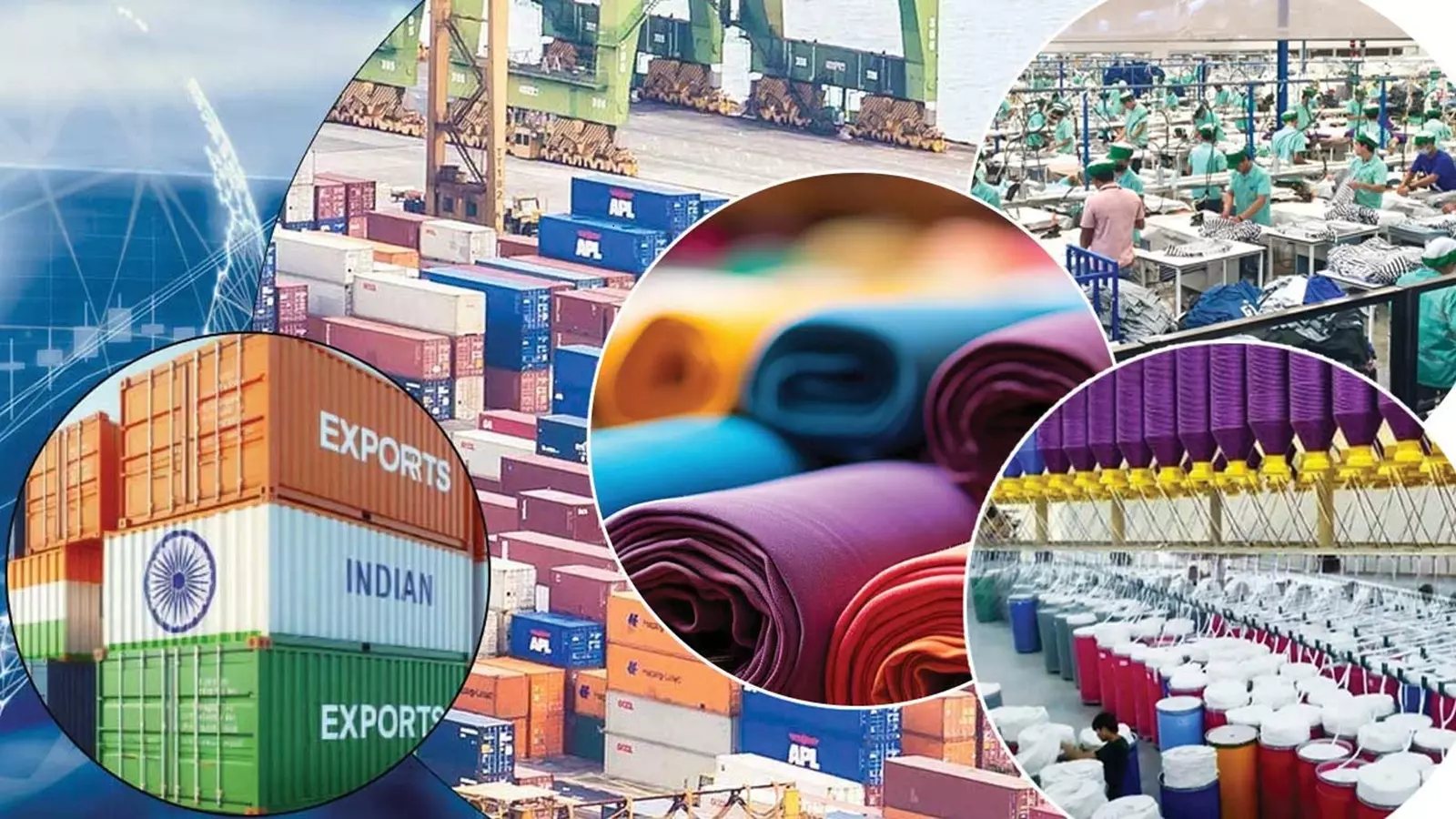
In a significant policy move with long-term implications for the textile industry, the Government of India has brought the textiles sector under its Greenhouse Gas (GHG) Emissions Intensity Reduction Regime, expanding the country’s climate compliance framework to one of its largest industrial employers.
Along with petroleum refineries, petrochemicals and secondary aluminium, the textile sector will now be required to cut emissions intensity between FY 2023-24 and FY 2026-27, as part of India’s national climate strategy aligned with its Net Zero by 2070 commitment.
What the New Rule Means for the Textile Industry
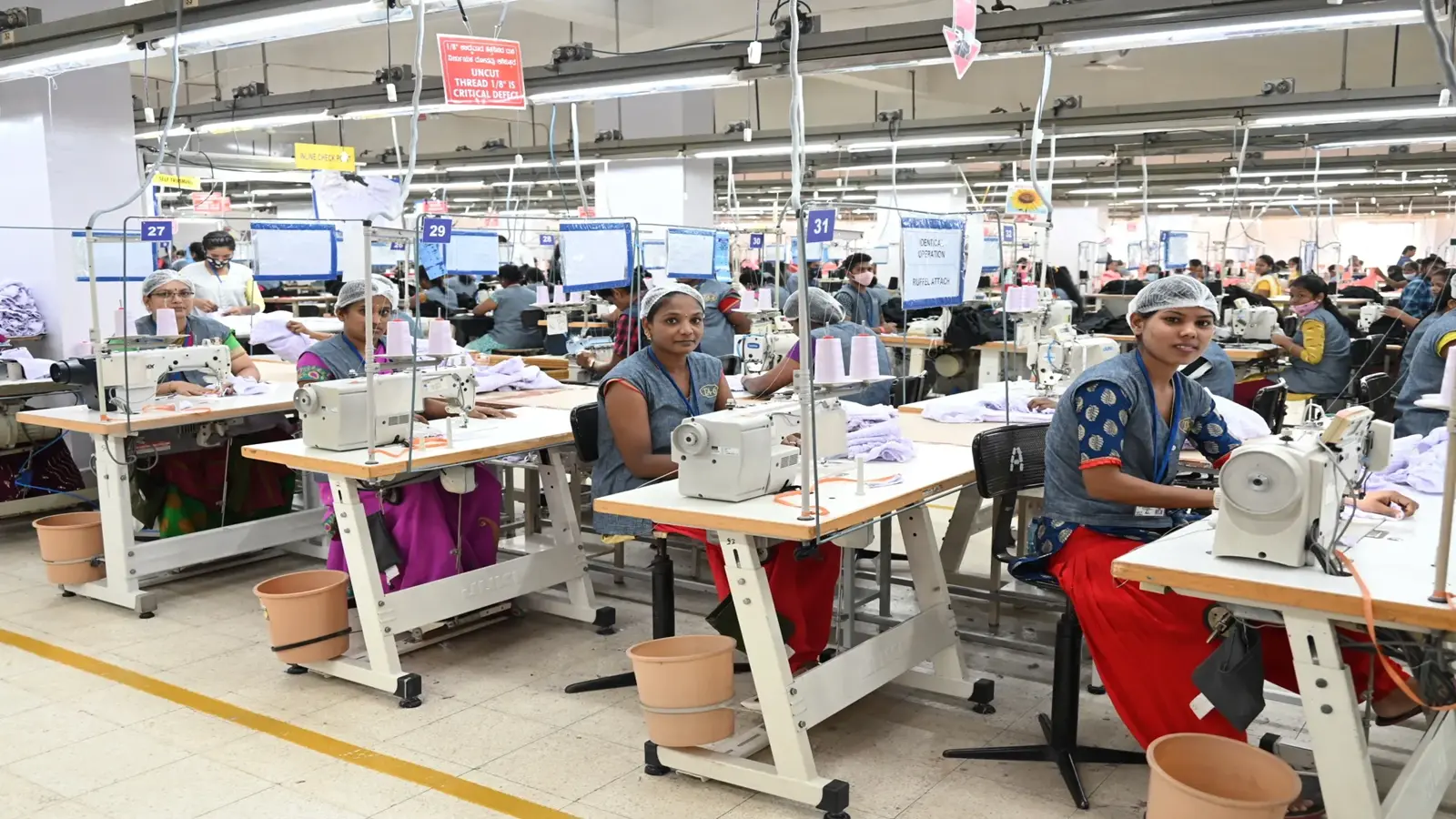
According to official data, around 173 textile units — covering spinning, fibre, processing and composite segments — will now be monitored under mandatory emission-reduction targets. These units must lower their Greenhouse Gas Emission Intensity (GEI), measured as emissions per unit of production.
Non-compliance may attract environmental compensation penalties, while compliant firms could benefit from carbon credits and future green financing mechanisms.
This marks the first time India has placed such a large part of the textile value chain directly under its national emissions trading and monitoring framework.
Why This Matters for India’s textile sector
1. Sustainability Moves From Voluntary to Mandatory
Until now, sustainability in textiles was largely driven by export buyer requirements and brand commitments. With this regulation, environmental compliance becomes a statutory obligation.
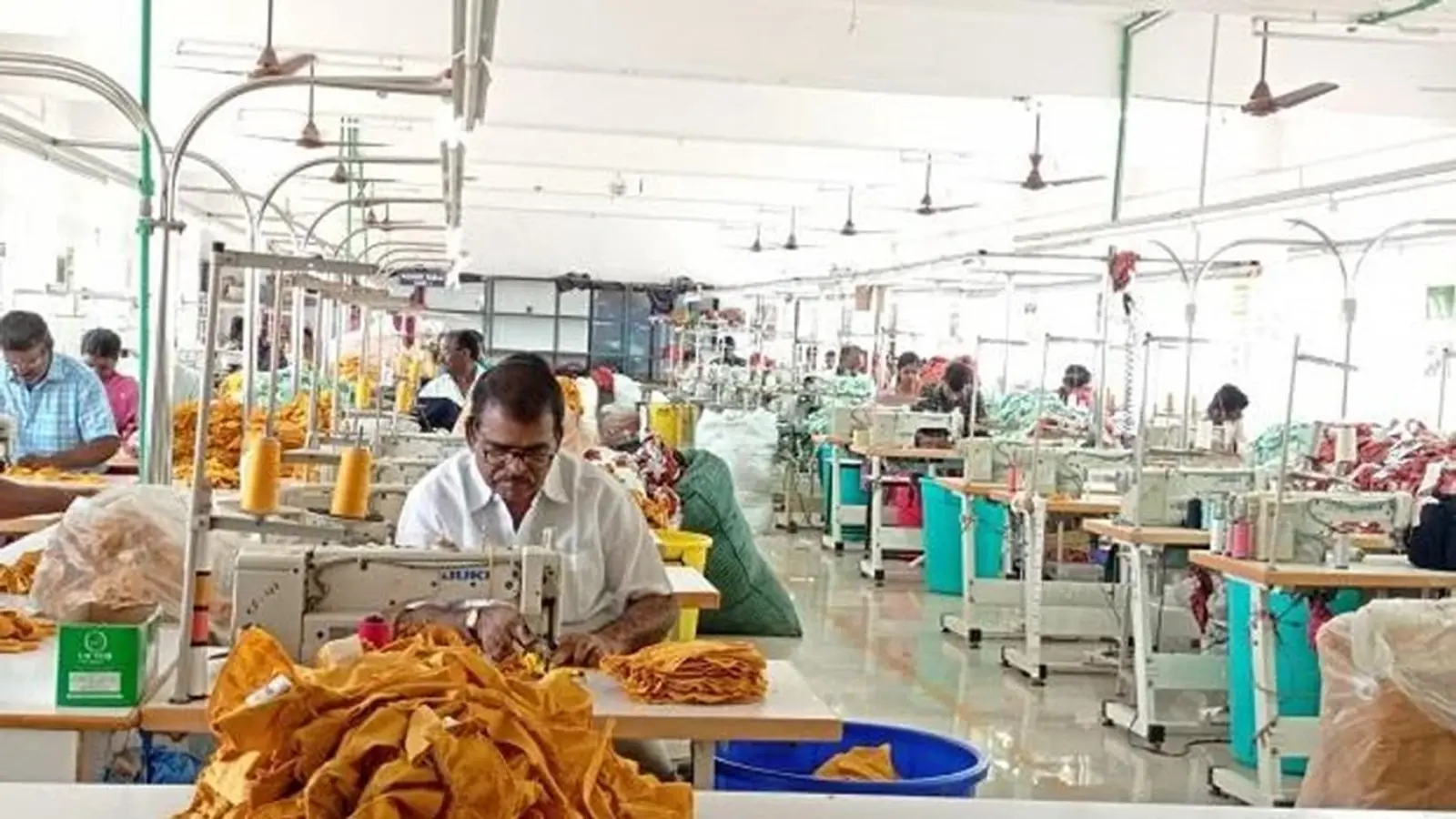
Processing, dyeing, and finishing units — traditionally the highest energy and water consumers — will face the biggest pressure to modernise boilers, adopt cleaner fuels, upgrade effluent treatment plants and invest in renewable energy.
This transition signals a shift from cost-driven manufacturing to carbon-accountable production.
2. Impact on Costs and Competitiveness
In the short term, the regulation is expected to increase operational costs, particularly for:
• Small and mid-size processing units.
• Coal-dependent spinning mills.
• Water-intensive dyeing clusters.
Investments in cleaner technology, energy audits and reporting systems will raise compliance expenditure.
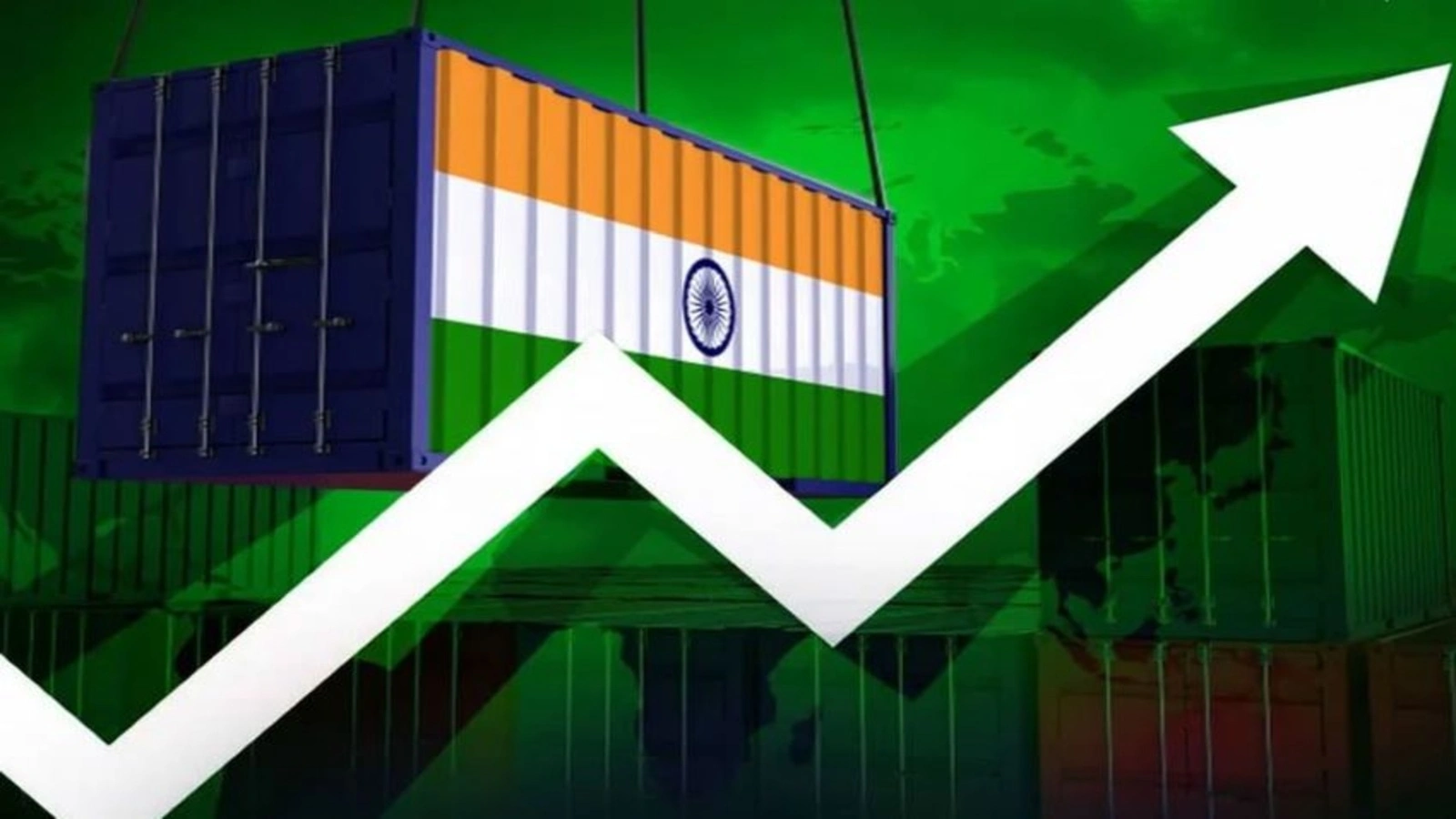
However, industry analysts believe that early movers will gain export advantage, especially in Europe and the US, where carbon footprint disclosures and green sourcing norms are tightening rapidly.
Over time, carbon-efficient Indian textiles may gain preference over higher-emission competitors in Asia.
3. Export Advantage in a Carbon-Sensitive Global Market
This policy aligns India’s textile industry with:
• EU Carbon Border Adjustment Mechanism (CBAM) norms
• Global brand sustainability sourcing targets
• ESG-driven procurement policies
With buyers increasingly demanding traceable, low-carbon fabrics, India’s regulatory alignment could strengthen long-term export credibility.
Experts note that countries without such emission frameworks may face future trade barriers, making India better positioned for sustainable trade.
National Impact: Strengthening Climate Goals Without Sacrificing Industry Growth
Textiles is India’s second-largest employer after agriculture and a major export earner. Bringing the sector under climate regulation reflects the government’s intent to:
• Balance industrial growth with environmental responsibility.
• Prepare Indian manufacturing for future carbon pricing regimes.
• Build a globally competitive green manufacturing base.
By including textiles, India sends a strong signal that labour-intensive sectors will also be part of the national decarbonisation roadmap, not just heavy industries.
This also opens doors for:
• Green financing for textile clusters.
• Carbon trading mechanisms within manufacturing.
• Government support for clean technology adoption.
10:45 AM, Jan 20
Source : India Brings Textile Sector Under GHG Emission Rules
.webp)
.webp)


.webp)
Industry Update
1.webp)
.webp)


1.webp)


1.webp)

1.webp)

1.webp)


1.webp)


1.webp)
1.webp)
1.webp)


Kolkata Set to Become Textile Sourcing Hub as YARNEX and TEXINDIA Return in January 2026...view more
1.webp)
1.webp)

1.webp)


1.webp)


1.webp)
1.webp)
1.webp)


1.webp)
1.webp)
1.webp)

1.webp)


1.webp)


1.webp)
1.webp)


India Textile Industry 2025 Review: How US Tariffs Hit Exports, and the Road to Recovery...view more
1.webp)


1.webp)


1.webp)




1.webp)



1.webp)


1.webp)


1.webp)
1.webp)

Europe’s Textile Sector Alarms as Ultra-Fast Fashion Firms Partner With Postal Operators...view more

1.webp)
1.webp)

1.webp)

.webp)




1.webp)

1.webp)











1.webp)








.webp)



1.webp)


1.webp)

1.webp)


Indorama Ventures Pioneers Scalable Bio-Based PET Fibers for a Low-Carbon Textile Future...view more



Carrington Textiles Introduces Defence Stock Range for Faster Access to Military Fabrics...view more








1.webp)


1.webp)
1.webp)








































.png)




.jpg)
.jpg)
.jpg)


1.jpeg)