

Balers Push Back Against IJMA’s Raw Jute Stock Ban Proposal, Warn of Supply Chain Disruption
.webp)
Share Post
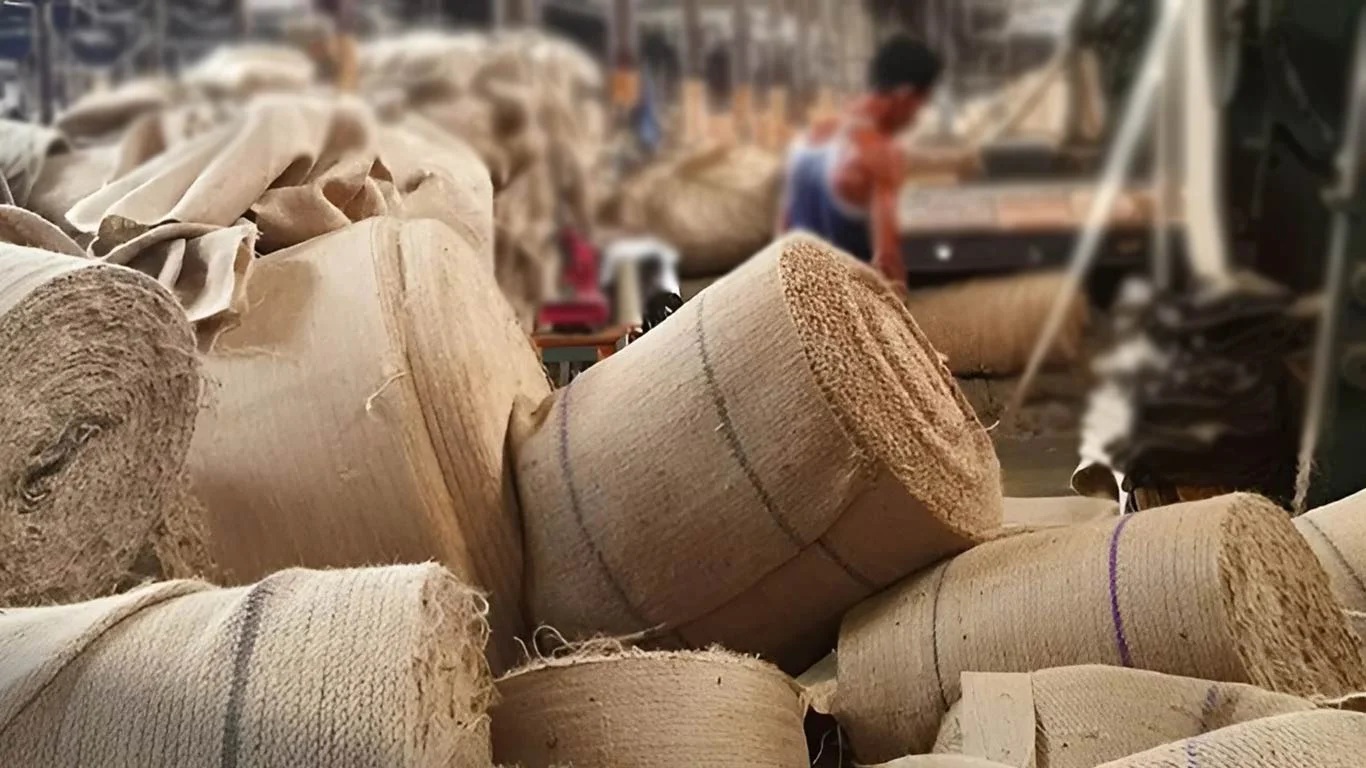
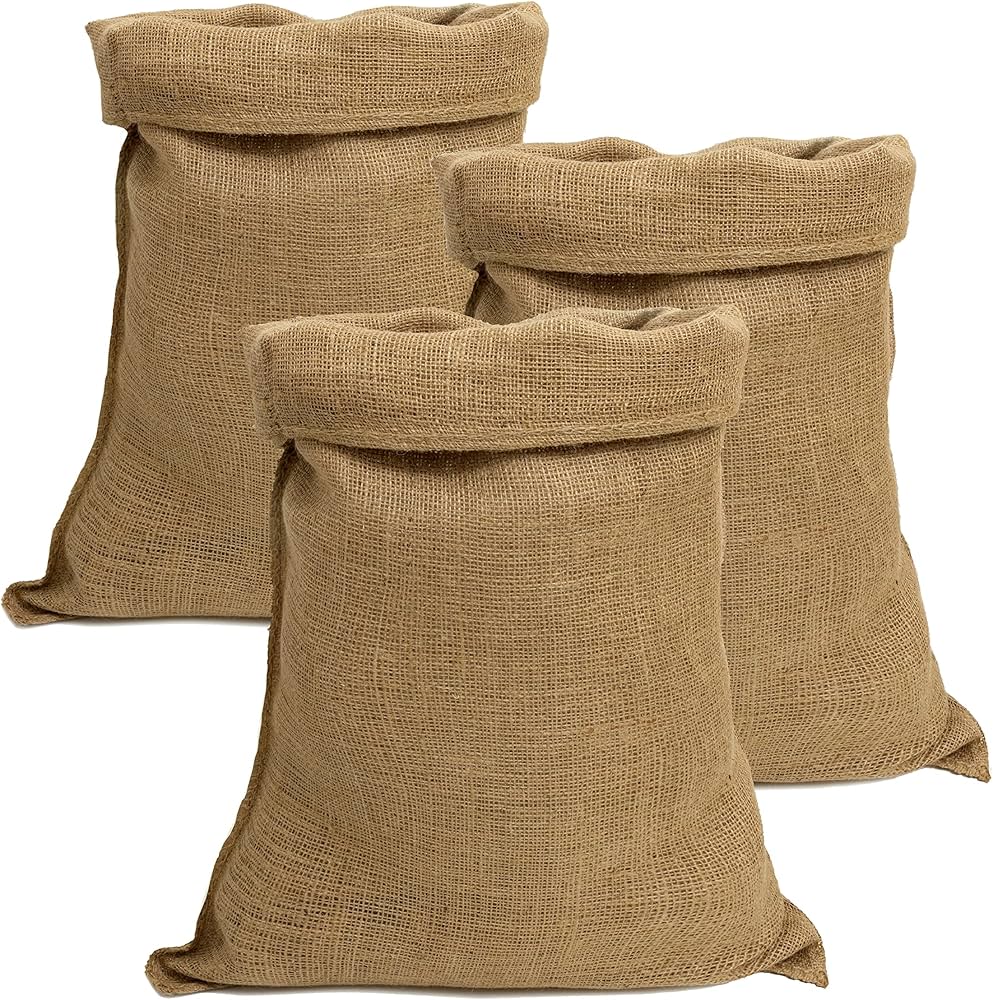
A fresh debate has emerged in India’s jute industry as the Jute Balers’ Association has formally opposed the Indian Jute Mills Association’s (IJMA) proposal to ban stockholding of raw jute. In a detailed letter to the Union Textile Ministry, the balers’ body cautioned that such a move could destabilise the supply chain, hurt farmers, and create unnecessary volatility in the market.
The controversy stems from IJMA’s recent representation to the Centre, where it urged the government to restrict private trading and stockholding of raw jute. According to the mills’ association, soaring raw material prices have placed severe pressure on manufacturing units, forcing production cuts, temporary shutdowns, and even job losses. IJMA believes that limiting stockholding could help control prices and stabilise the industry.
However, the Jute Balers’ Association has strongly disagreed with this approach. Balers argue that they serve as a vital link between farmers and mills. Their role goes beyond simple trading they procure raw jute directly from farmers, grade and process it, store it scientifically, and ensure a steady year-round supply to mills. Without this buffer mechanism, they contend, mills could face irregular supply cycles and farmers may struggle to find assured buyers during peak harvest seasons.
In their communication to the ministry, the balers warned that banning stockholding would disrupt this established ecosystem. Instead of stabilising prices, they believe it could trigger panic selling, reduce market confidence, and increase uncertainty across the value chain. Farmers, particularly small growers in West Bengal and other jute-producing states, could bear the brunt if procurement channels weaken.
The association has urged the Textile Ministry to avoid taking a unilateral decision based solely on IJMA’s recommendation. Instead, it has called for broader consultations involving all stakeholders farmers, balers, traders, and mill owners before implementing any regulatory changes.
As the Centre reviews the matter, the debate highlights deeper structural challenges within the jute sector. Balancing raw material affordability for mills while ensuring fair returns for farmers remains a delicate task. The coming weeks may prove crucial in determining whether policy intervention will cool the price spiral or further complicate the dynamics of India’s traditional golden fibre industry.
03:40 PM, Feb 11
Other Related Topics
.webp)

.webp)
US–Bangladesh Tariff Pact Brings Fresh Momentum to Garment Exports
04:08 PM, Feb 10.webp)
Industry Update
1.webp)
1.webp)

1.webp)
1.webp)




1.webp)
1.webp)
1.webp)

1.webp)



1.webp)


1.webp)
1.webp)
.webp)


1.webp)


1.webp)

1.webp)

1.webp)


1.webp)


1.webp)
1.webp)
1.webp)


Kolkata Set to Become Textile Sourcing Hub as YARNEX and TEXINDIA Return in January 2026...view more
1.webp)
1.webp)

1.webp)


1.webp)


1.webp)
1.webp)
1.webp)


1.webp)
1.webp)
1.webp)

1.webp)


1.webp)


1.webp)
1.webp)


India Textile Industry 2025 Review: How US Tariffs Hit Exports, and the Road to Recovery...view more
1.webp)


1.webp)


1.webp)




1.webp)



1.webp)


1.webp)


1.webp)
1.webp)

Europe’s Textile Sector Alarms as Ultra-Fast Fashion Firms Partner With Postal Operators...view more

1.webp)

1.webp)

1.webp)

.webp)



1.webp)

1.webp)











1.webp)







.webp)



1.webp)


1.webp)

1.webp)


Indorama Ventures Pioneers Scalable Bio-Based PET Fibers for a Low-Carbon Textile Future...view more



Carrington Textiles Introduces Defence Stock Range for Faster Access to Military Fabrics...view more







1.webp)


1.webp)
1.webp)



































.png)




.jpg)
.jpg)
.jpg)


1.jpeg)