

Market Jitters Hit Indian Textile Shares after US–Bangladesh Tariff Pact
.webp)
Share Post
Markets React to Zero-Tariff Window for Bangladesh
Indian textile stocks came under sharp pressure for the second consecutive session on February 11, with shares falling up to 6 percent after the United States and Bangladesh formalised their reciprocal trade agreement. The development unsettled investors who fear a shift in competitive dynamics within the crucial US apparel market.
Pearl Global Industries declined nearly 6 percent, Gokaldas Exports slipped around 4 percent, while K.P.R. Mill and Arvind saw losses of about 3 percent each. The sell-off reflects concerns that Bangladesh’s enhanced access to the US market could intensify pricing pressure on Indian exporters.
Under the agreement, the US will create a mechanism allowing a specified volume of Bangladeshi textile and apparel exports to enter at a zero reciprocal tariff rate, linked to the use of US-produced cotton and man-made fibre inputs. While India recently secured a reduction in reciprocal tariffs to 18 percent from 50 percent, Bangladesh’s zero-duty window for select categories has triggered anxiety among market participants.
Tariff Math: Competitive Edge or Temporary Shock?
Although Bangladesh’s overall US tariff rate now stands at 19 percent slightly higher than India’s 18 percent experts believe the zero-tariff provision for specific segments could tilt the playing field. Key competitive shifts include:
- Zero-duty access for select Bangladeshi apparel categories
- Reduced US tariffs for India to 18 percent
- Potential pricing pressure in mass-market segments
- Short-term uncertainty on order allocation
Prerna Jhunjhunwala, VP – Lead – Textiles and Retail Sector at Elara Capital, notes that while the market reaction has been swift, the full impact remains unclear due to limited details on the tariff mechanism. Meanwhile, Jashan Arora, Director at Master Trust Group, points out that India still retains a marginal tariff advantage overall, though Bangladesh’s zero-duty categories could influence sourcing decisions.
Correction or Crisis? Experts Urge Strategic View
Analysts caution investors against panic selling. The consensus view suggests that India’s structural strengths scale, integrated supply chains, compliance standards, and established buyer relationships remain intact. Arora describes the development as a “sectoral inflection point” rather than a collapse. According to him:
- Companies with niche products and value-added portfolios may outperform
- Diversified export markets can cushion volatility
- Strong balance sheets and cost efficiency will be critical
For investors, the message is clear: this is a moment for discernment, not reaction. While commoditised exporters may feel the heat, agile and premium-focused textile players could emerge stronger in the evolving global trade landscape.
12:55 PM, Feb 11
.webp)

.webp)
US–Bangladesh Tariff Pact Brings Fresh Momentum to Garment Exports
04:08 PM, Feb 10.webp)
Industry Update
1.webp)
1.webp)

1.webp)
1.webp)




1.webp)
1.webp)
1.webp)

1.webp)



1.webp)


1.webp)
1.webp)
.webp)


1.webp)


1.webp)

1.webp)

1.webp)


1.webp)


1.webp)
1.webp)
1.webp)


Kolkata Set to Become Textile Sourcing Hub as YARNEX and TEXINDIA Return in January 2026...view more
1.webp)
1.webp)

1.webp)


1.webp)


1.webp)
1.webp)
1.webp)


1.webp)
1.webp)
1.webp)

1.webp)


1.webp)


1.webp)
1.webp)


India Textile Industry 2025 Review: How US Tariffs Hit Exports, and the Road to Recovery...view more
1.webp)


1.webp)


1.webp)





1.webp)



1.webp)


1.webp)


1.webp)
1.webp)

Europe’s Textile Sector Alarms as Ultra-Fast Fashion Firms Partner With Postal Operators...view more

1.webp)

1.webp)

1.webp)

.webp)



1.webp)

1.webp)












1.webp)








.webp)



1.webp)


1.webp)

1.webp)


Indorama Ventures Pioneers Scalable Bio-Based PET Fibers for a Low-Carbon Textile Future...view more



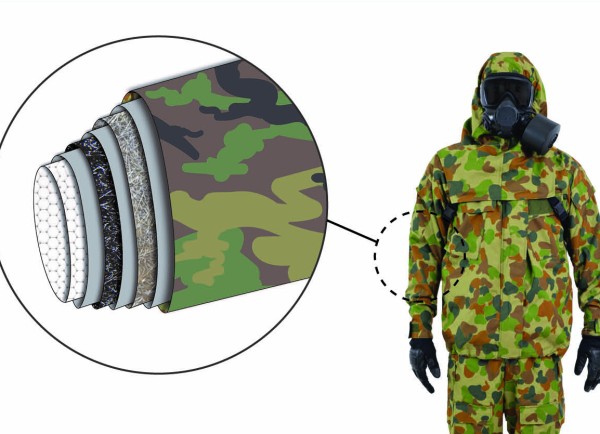
Carrington Textiles Introduces Defence Stock Range for Faster Access to Military Fabrics...view more







1.webp)


1.webp)
1.webp)




































.png)




.jpg)
.jpg)
.jpg)


1.jpeg)