

India-US Trade Pact Unlocks USD 118 Billion Textile Opportunity for Indian Exports

Share Post
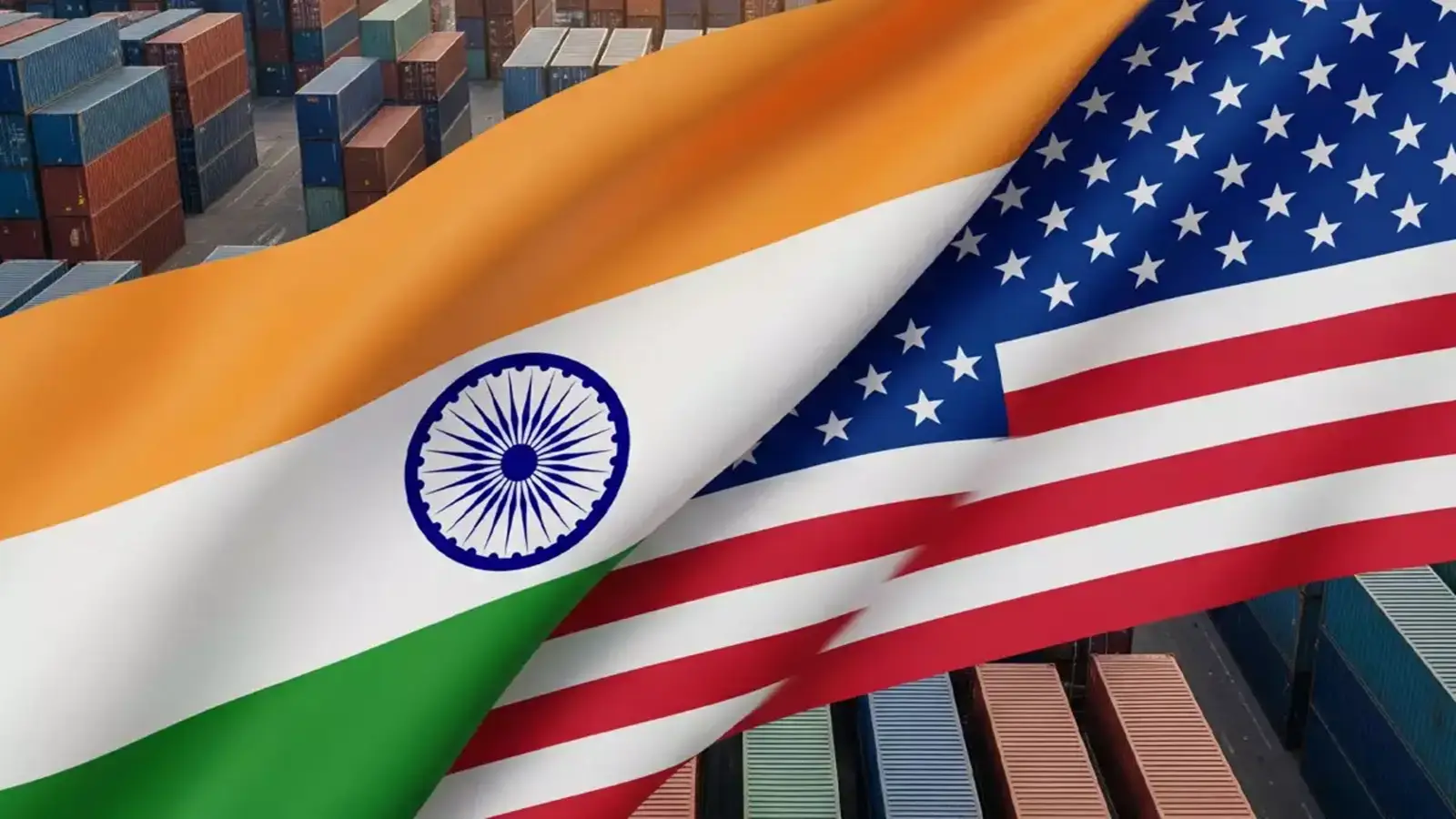
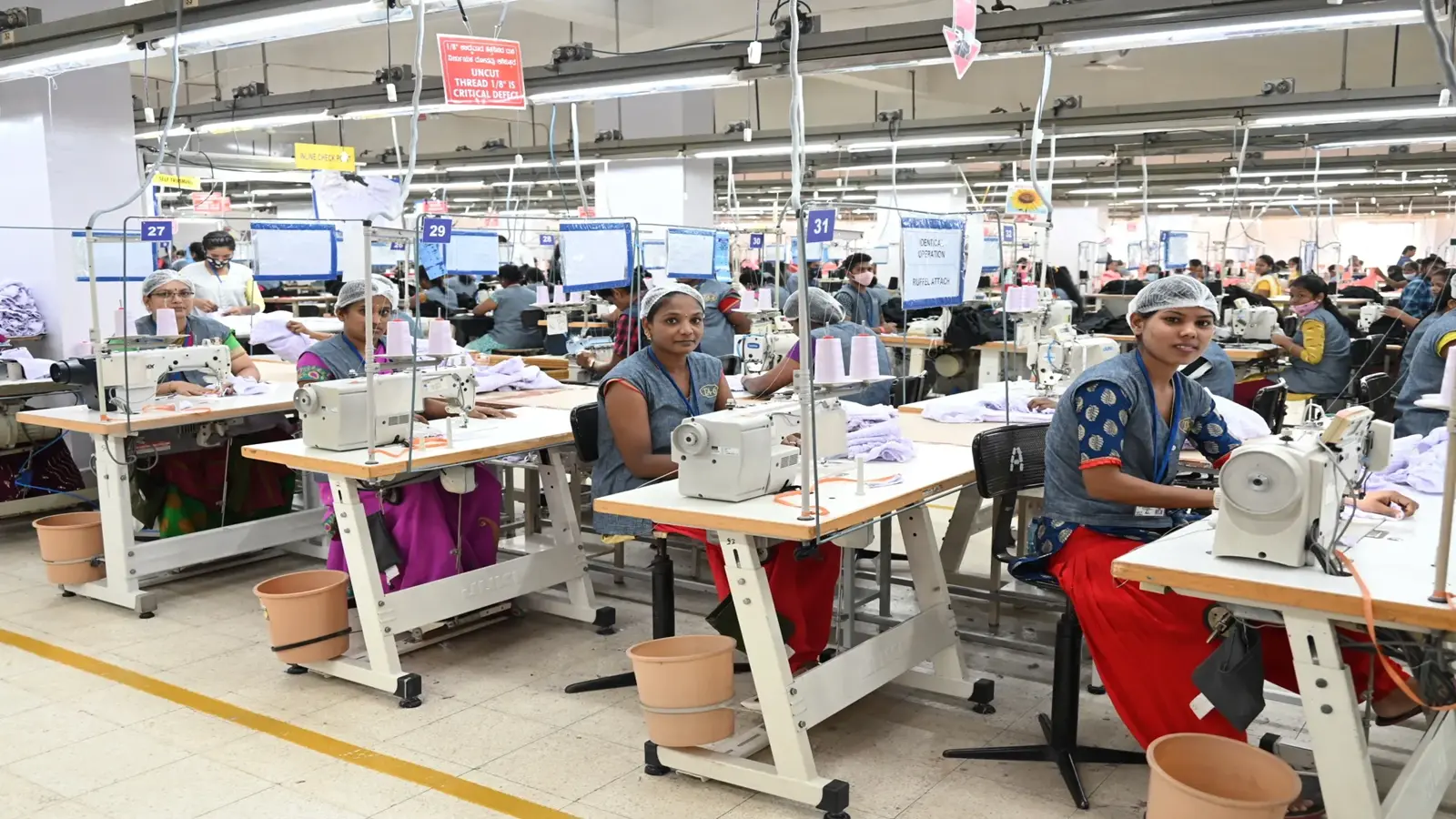
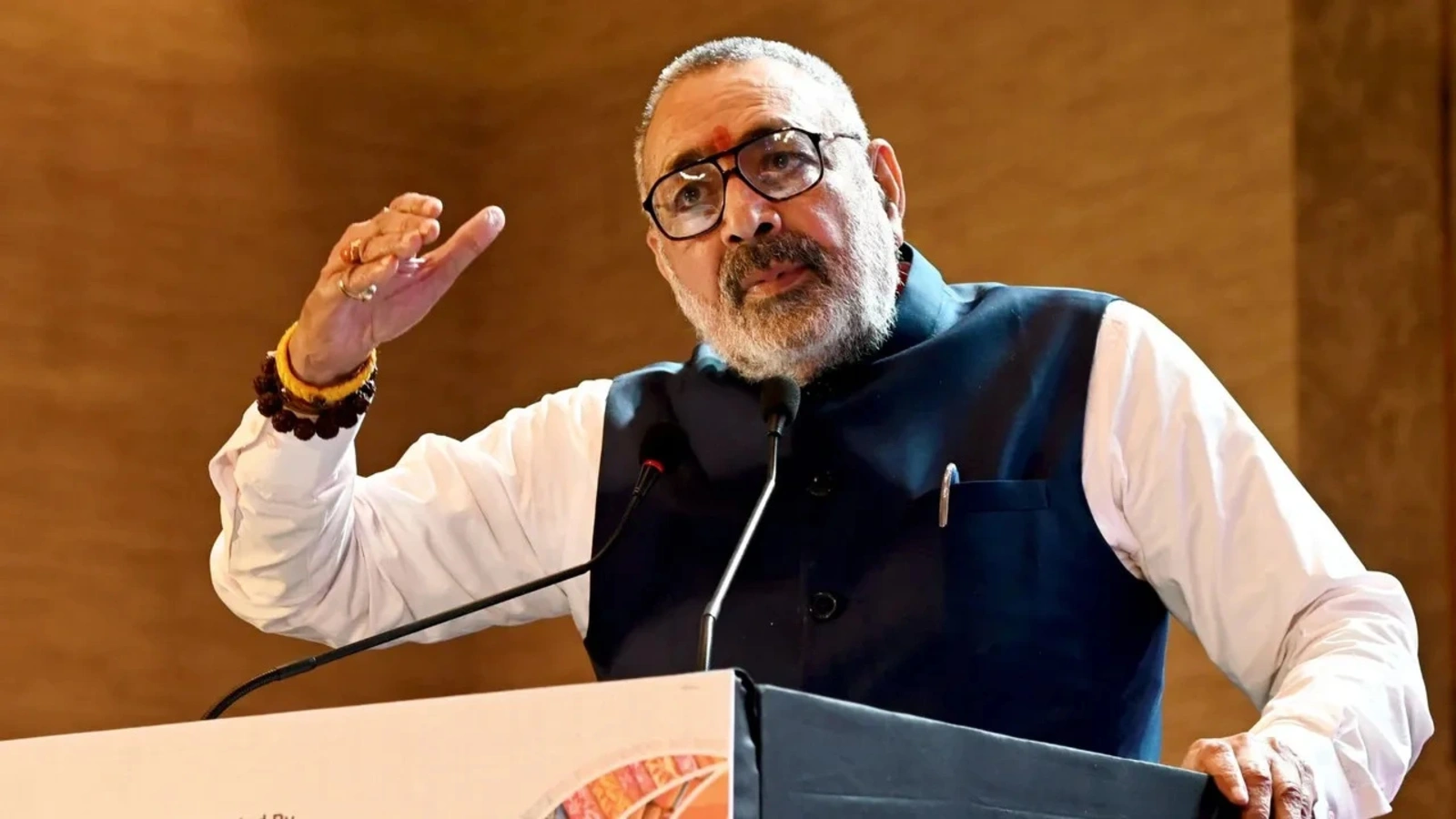
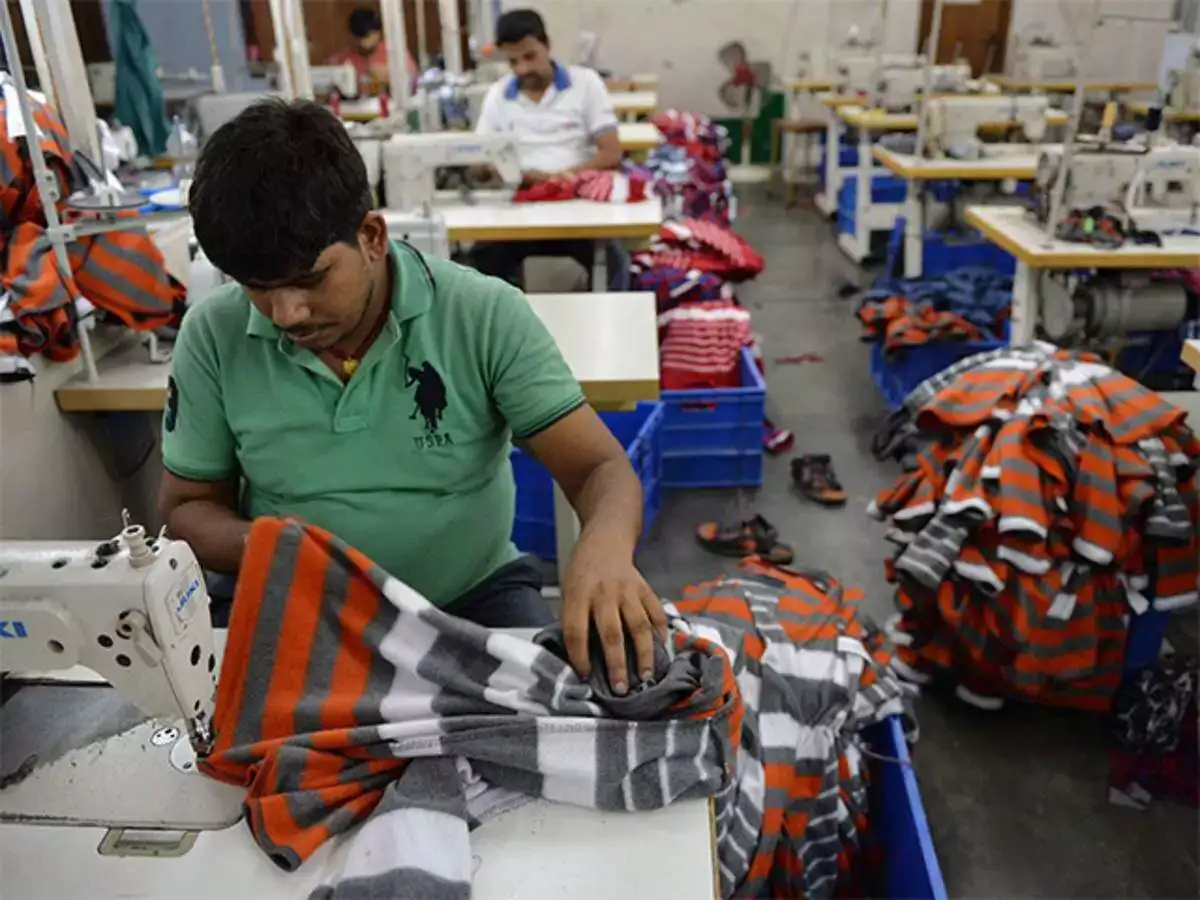
The Government of India has welcomed a landmark interim trade agreement with the United States, which is expected to significantly expand opportunities for Indian textile and apparel exporters by opening up the U.S. textile import market valued at approximately USD 118 billion.
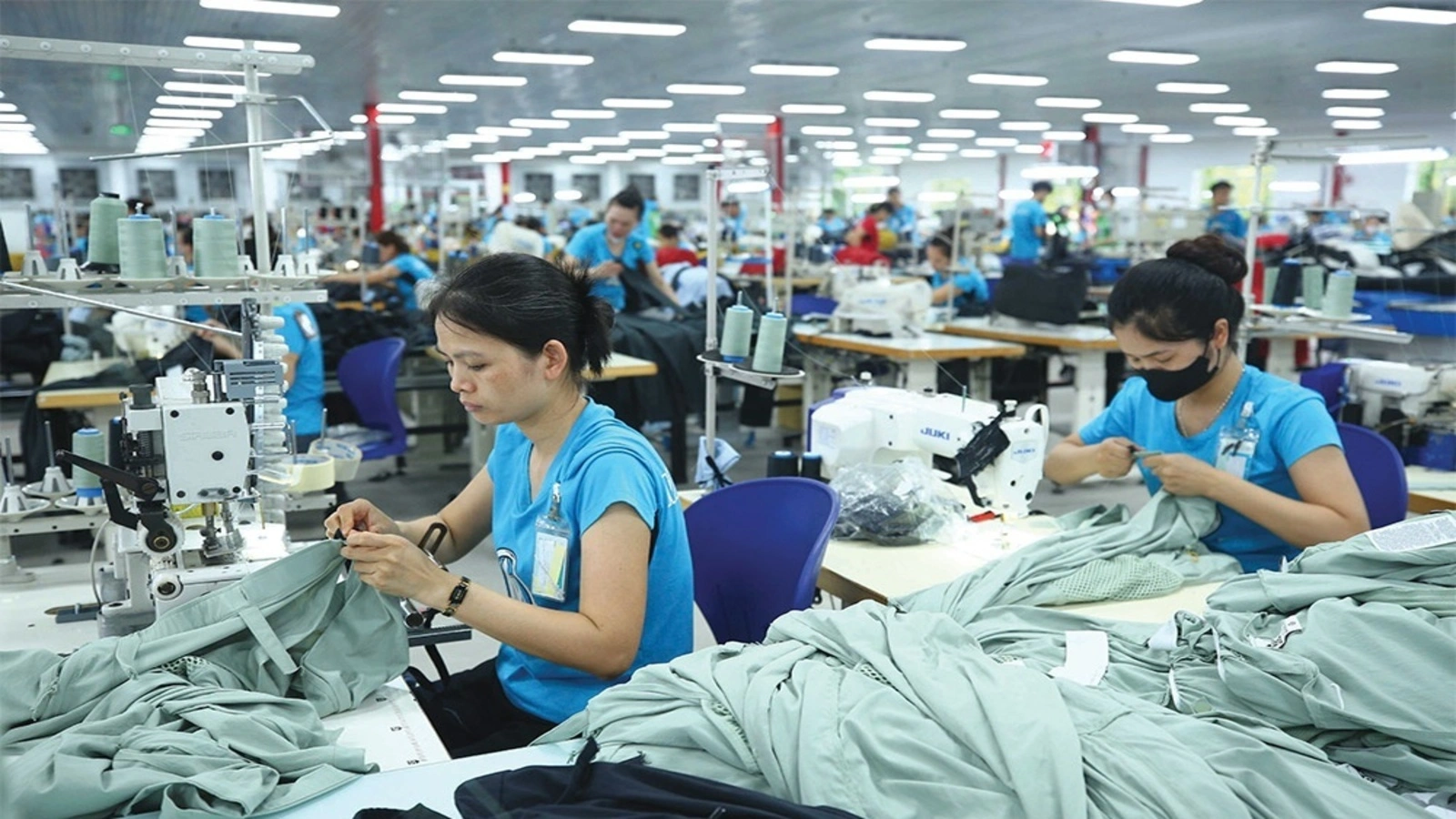
Under the first phase of the bilateral framework, Washington has agreed to lower reciprocal tariffs on Indian textile products, including clothing and made-ups, from about 50% to 18%. This shift is seen as a game-changer for Indian manufacturers, reducing the tariff disadvantage that previously made Indian products more expensive than those from Bangladesh, China, Pakistan, and Vietnam.
Strategic Benefits for India’s Textile Sector
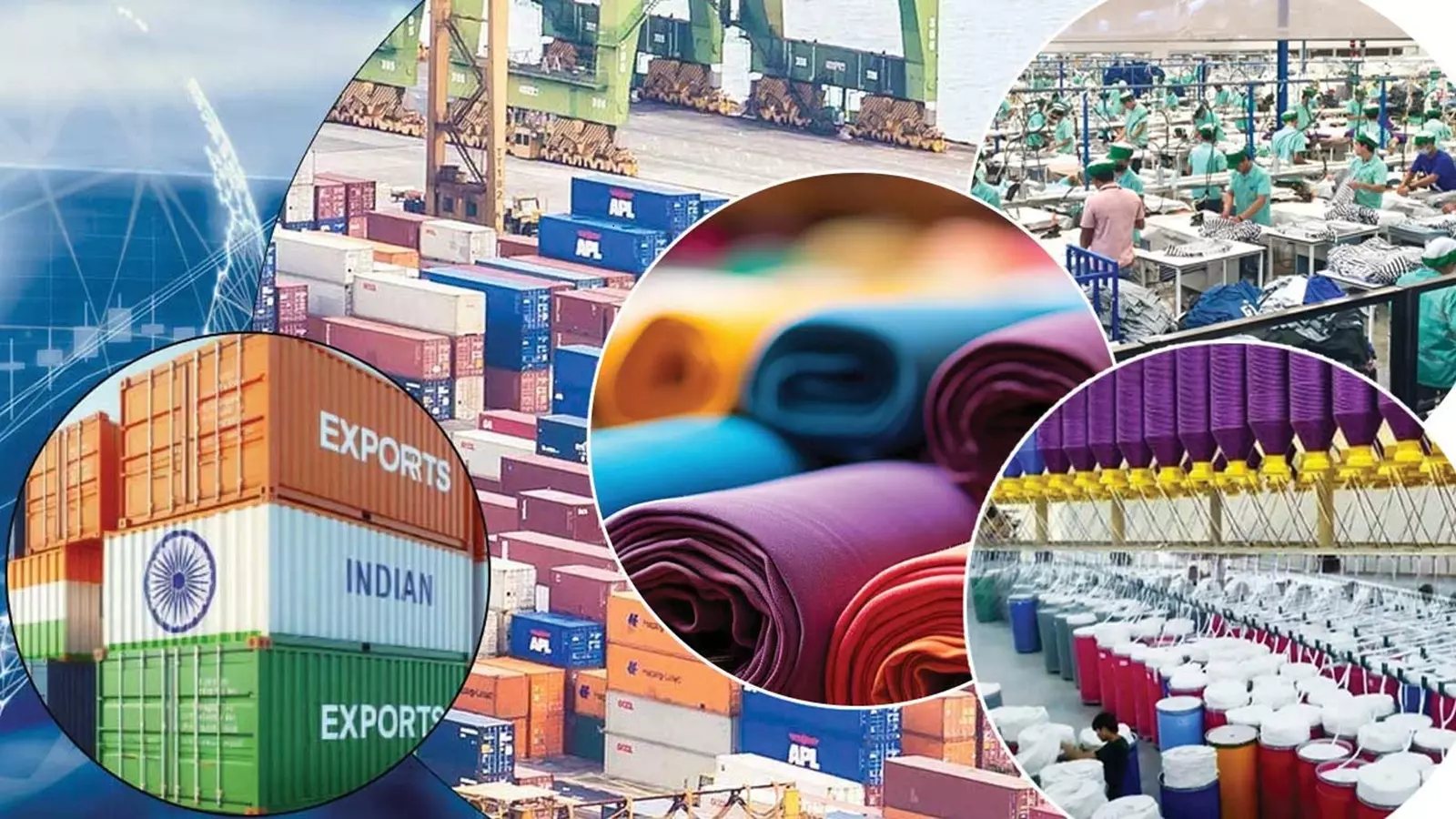
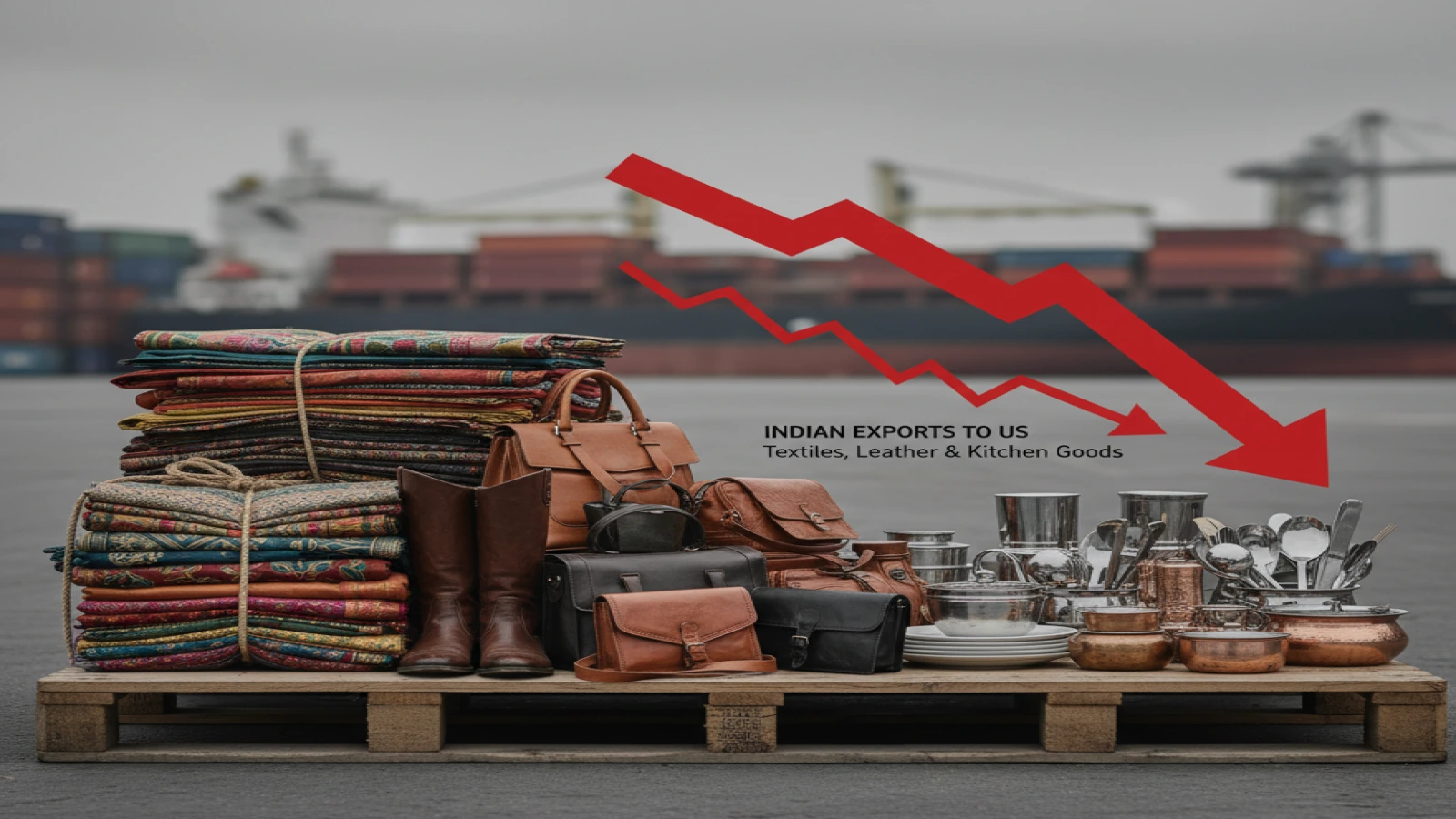
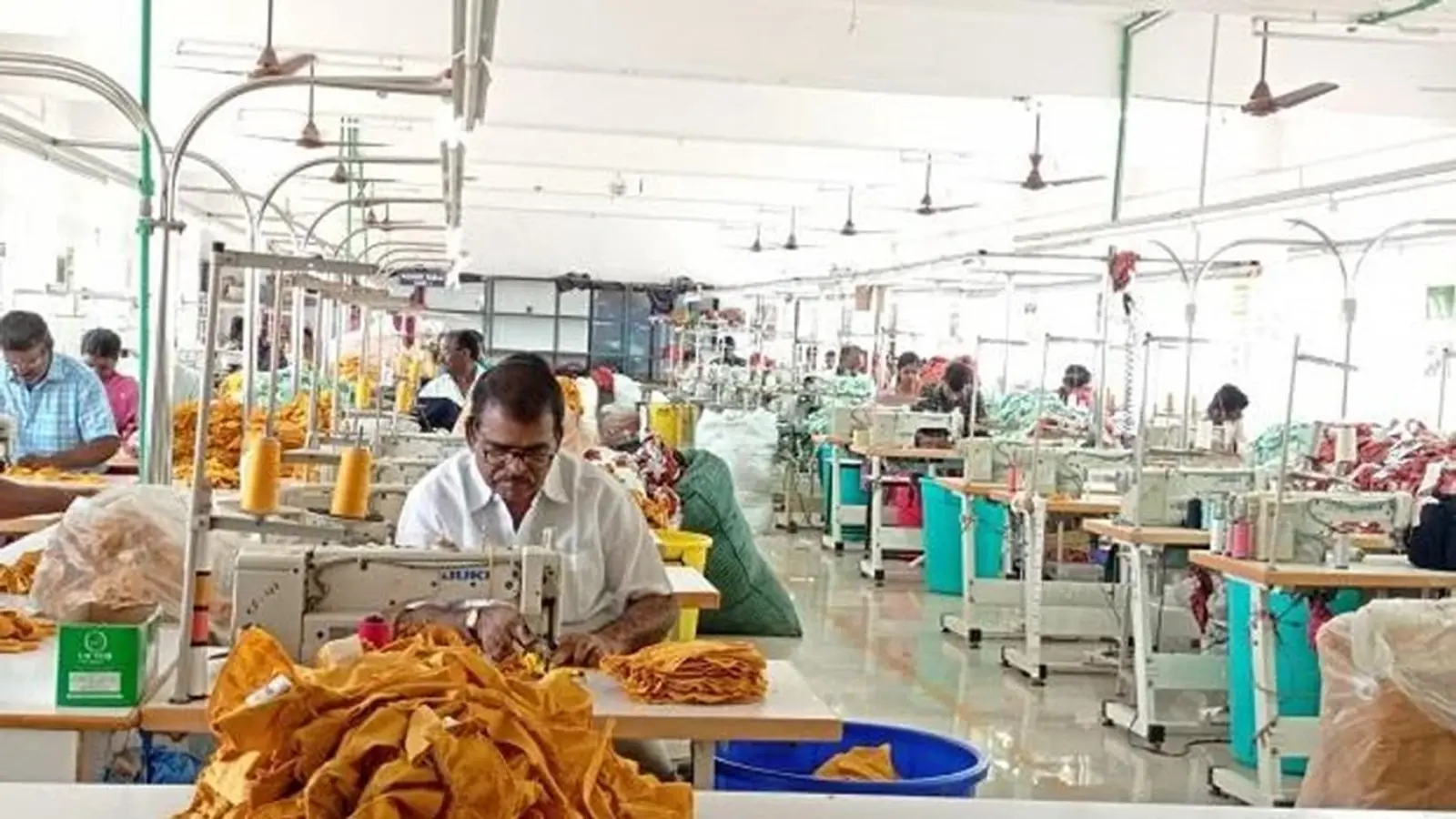
According to the Ministry of Textiles, the tariff rollback is expected to make Indian textile exports far more competitive in the U.S. market — India’s largest export destination for textiles, with exports worth around USD 10.5 billion, comprising nearly 70% apparel and 15% made-ups.
Government officials say the pact will encourage large buyers to re-evaluate sourcing strategies, potentially shifting orders toward Indian suppliers. By improving cost competitiveness against key rivals, Indian firms are likely to gain market share in segments ranging from traditional textiles to ready-to-wear garments.
Boost to Export Targets and Diversification
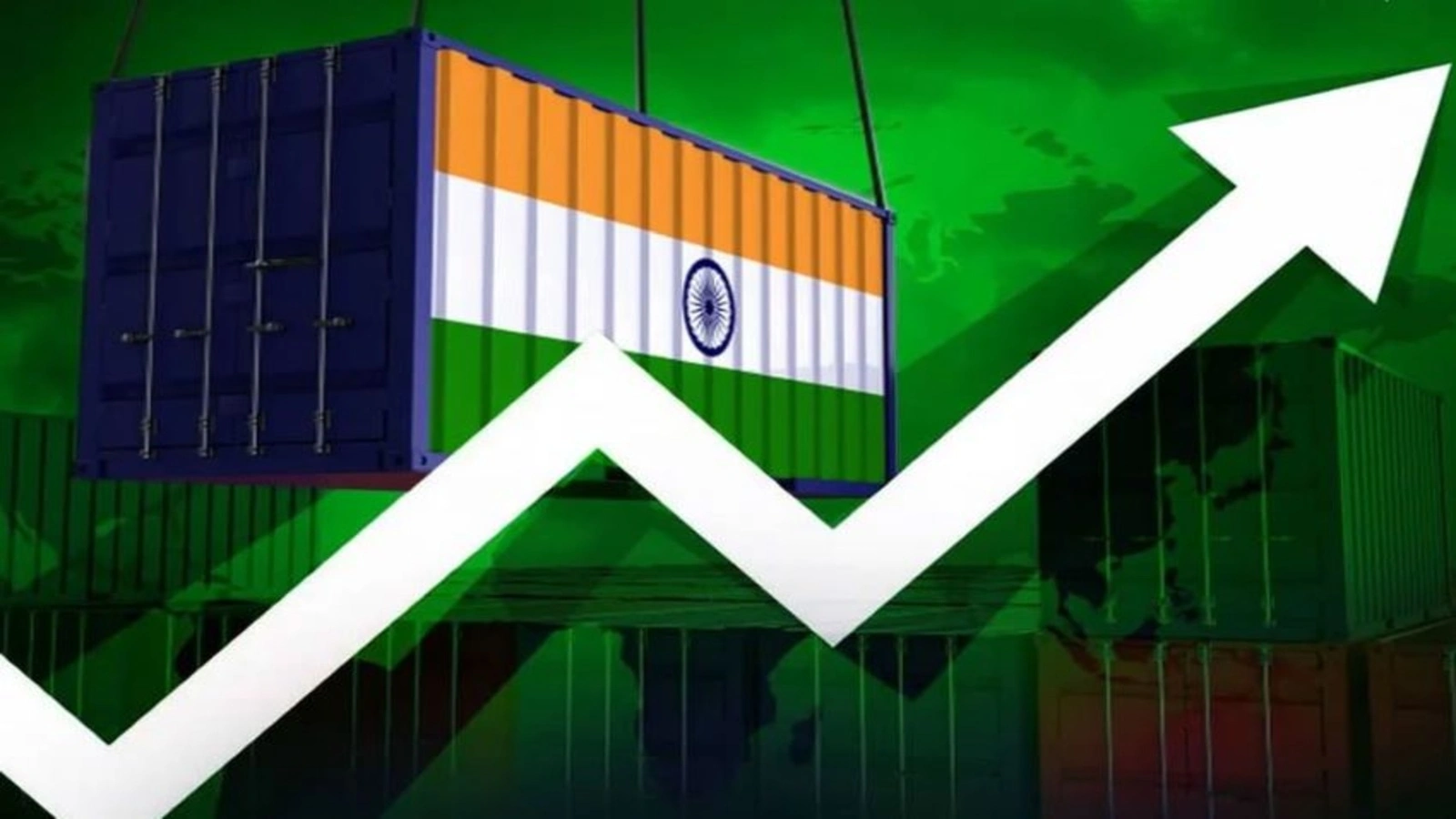
Industry analysts and government sources also note that the deal could play a pivotal role in India achieving its broader textile export goals. The pact is expected to contribute meaningfully toward India’s ambitious USD 100 billion textile and apparel export target by 2030.
Additionally, the agreement allows Indian firms to diversify their supply chains and source intermediate inputs, potentially even from the U.S., thereby enhancing production efficiency and global competitiveness.
Wider Economic Impact
Beyond textiles, the interim trade framework is set to benefit a broad range of Indian export sectors. Commerce and industry officials have highlighted that the pact could open a USD 30 trillion market for Indian goods overall and stimulate employment, especially among MSMEs, women, and youth engaged in manufacturing and export-oriented activities.
Challenges and Competitive Dynamics
While the tariff reduction is largely seen as positive for India, recent developments in related trade deals, such as the U.S. arrangement with Bangladesh, which includes conditional zero-duty access based on sourcing rules, have prompted industry debate about competitive pressures and long-term implications for order flows. Indian officials, however, have clarified that similar zero-tariff provisions will also extend to Indian exporters under the final agreement.
Stock Market and Sector Sentiment
The textile sector has already shown signs of renewed investor confidence, with many listed textile companies rallying on expectations of improved export prospects following the tariff changes. Lower trade barriers combined with supportive domestic policies are boosting sentiment across the value chain.
The interim India-US trade pact marks a significant milestone in bilateral economic relations, especially for India’s textile industry. By slashing tariffs and unlocking access to one of the world’s largest import markets, the deal offers Indian exporters a competitive edge and could accelerate progress toward long-term export ambitions. Continued engagement on implementation details — including rules of origin and market access conditions — will be key to sustaining these gains.
12:19 PM, Feb 14
Source : India-US Trade Pact Unlocks USD 118 Billion Textile Opportunity for Indian Exports


.webp)
.webp)
Industry Update


1.webp)
1.webp)
1.webp)
1.webp)



1.webp)
1.webp)
1.webp)

1.webp)



1.webp)


1.webp)
1.webp)
.webp)


1.webp)


1.webp)

1.webp)

1.webp)


1.webp)


1.webp)
1.webp)
1.webp)


Kolkata Set to Become Textile Sourcing Hub as YARNEX and TEXINDIA Return in January 2026...view more
1.webp)
1.webp)

1.webp)


1.webp)


1.webp)
1.webp)
1.webp)


1.webp)
1.webp)
1.webp)

1.webp)


1.webp)


1.webp)
1.webp)


India Textile Industry 2025 Review: How US Tariffs Hit Exports, and the Road to Recovery...view more
1.webp)


1.webp)


1.webp)



1.webp)



1.webp)


1.webp)


1.webp)
1.webp)

Europe’s Textile Sector Alarms as Ultra-Fast Fashion Firms Partner With Postal Operators...view more

1.webp)
1.webp)

1.webp)

.webp)



1.webp)

1.webp)










1.webp)







.webp)



1.webp)


1.webp)

1.webp)


Indorama Ventures Pioneers Scalable Bio-Based PET Fibers for a Low-Carbon Textile Future...view more



Carrington Textiles Introduces Defence Stock Range for Faster Access to Military Fabrics...view more








1.webp)


1.webp)
1.webp)


































.png)




.jpg)
.jpg)
.jpg)


1.jpeg)