

Global Sportswear Market Disrupted by Emerging Brands in 2026

Share Post
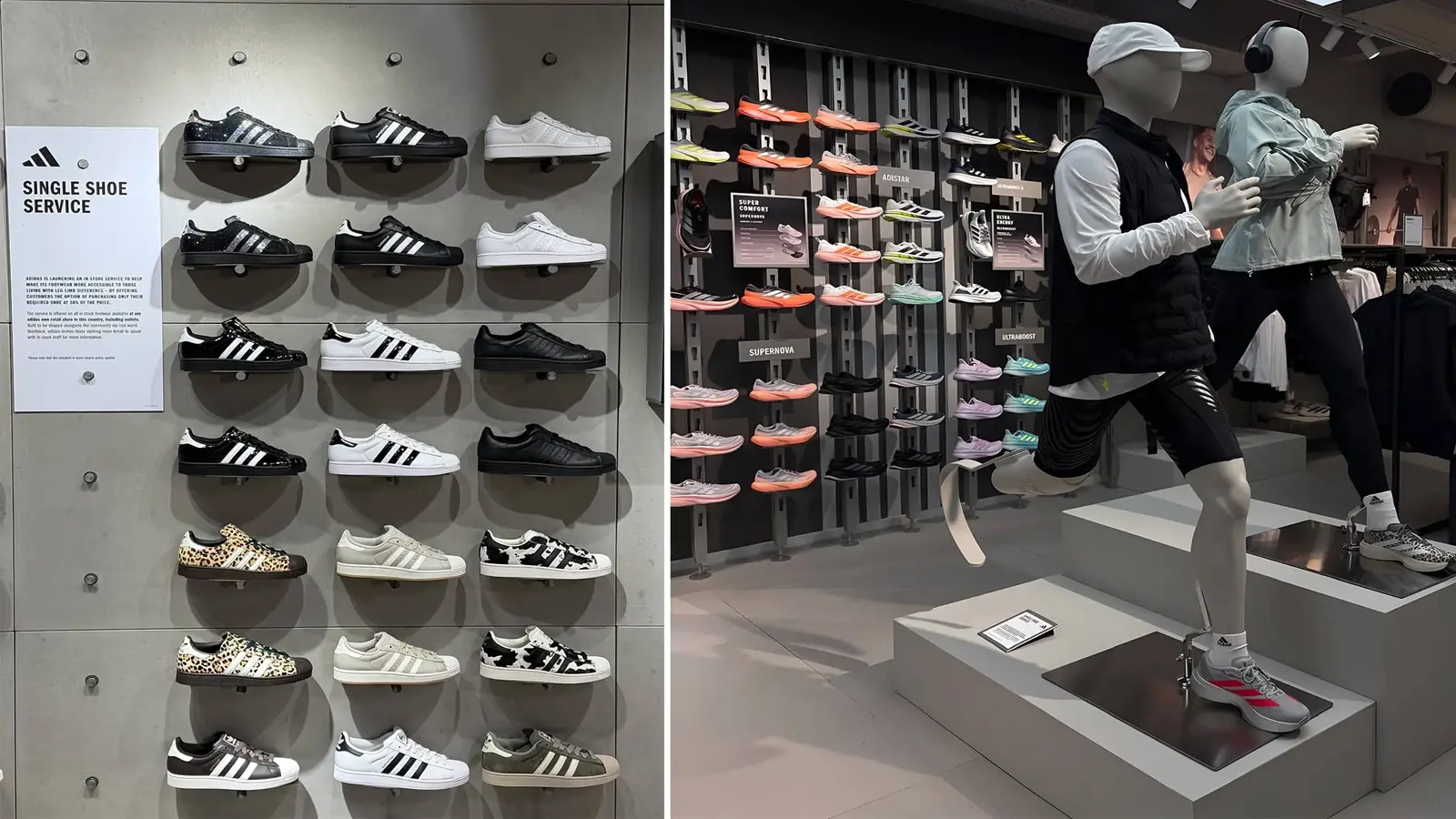
The global sportswear industry is witnessing a significant transformation in 2026, with emerging activewear brands rapidly gaining market share and challenging long-established players. Changing consumer preferences, digital-first strategies, and innovation in product design are driving this shift across the global retail and textile ecosystem.
According to recent market insights, newer sportswear brands are outperforming legacy companies, signalling a structural change in the competitive landscape. This shift is being described as a “two-tier market,” where agile, innovation-led brands are growing rapidly, while traditional players struggle to maintain relevance.
Rise of New-Age Activewear Brands
Brands such as Alo Yoga, Oner Active, Halara, Beyond Yoga, Varley, and Vuori are witnessing strong growth, with double-digit to triple-digit increases in consumer spending. These companies are gaining traction due to their ability to align closely with modern consumer expectations, including comfort, versatility, and lifestyle integration.
Their success is largely driven by:
- Strong digital presence and direct-to-consumer (D2C) strategies
- Focus on athleisure and lifestyle-based products
- Faster response to fashion and fitness trends
- Better alignment with younger consumers
Legacy Brands Under Pressure
Established global sportswear giants are facing increasing challenges due to slower product cycles, declining brand relevance, and evolving customer preferences. Many traditional players are struggling to keep up with the pace of innovation and changing retail dynamics.
Industry experts highlight that legacy brands are losing shelf space and demand for certain product lines that no longer resonate with consumers.
Premium Segment Remains Strong
Despite the disruption, the premium segment of the sportswear market continues to perform well. High-income consumers are still willing to spend on premium activewear, supporting full-price sales and helping brands maintain margins.
This indicates that while the market is becoming more competitive, there is still strong demand for high-quality, performance-driven products.
Key Drivers Behind the Industry Shift
Several factors are contributing to the ongoing transformation of the sportswear industry:
- Innovation & Product Differentiation: Advanced fabrics, comfort-driven designs, and multi-purpose apparel
- Digital Expansion: Growth of e-commerce and social media-driven brand building
- Changing Consumer Behavior: Increased focus on fitness, wellness, and casual wear
- Athleisure Boom: Blurring lines between sportswear and everyday fashion
Implications for Textile and Technical Textile Sector
This shift has direct implications for the textile industry, particularly in the technical textile and performance fabric segments. As demand for functional sportswear increases, Textile manufacturers are focusing on:
- Moisture-wicking and breathable fabrics
- Sustainable and recycled materials
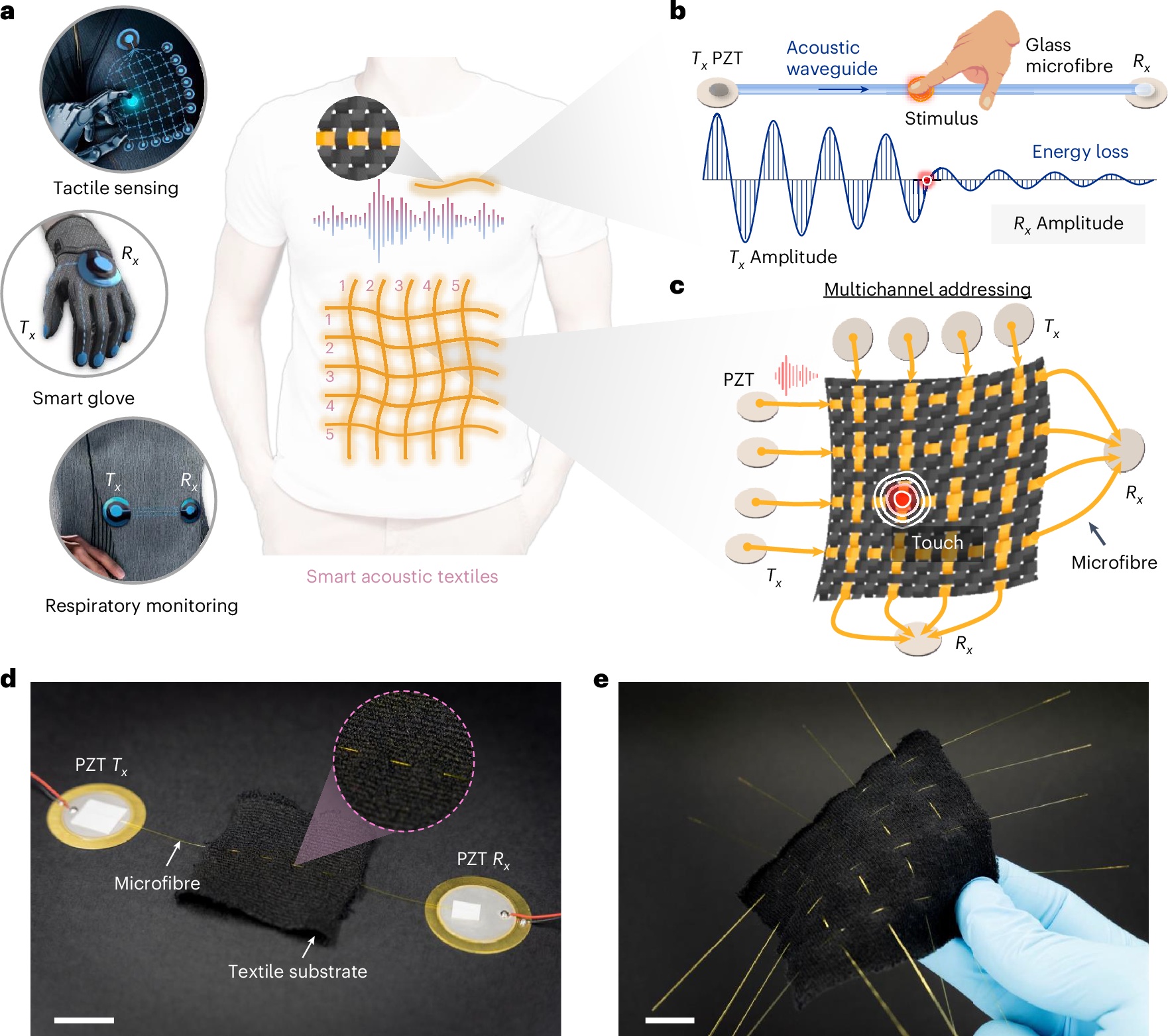
- Smart textiles and performance enhancements
This trend is expected to further accelerate innovation in the textile supply chain, especially in countries like India that are investing in technical textile capabilities.
Outlook: Innovation Will Define Future Leaders
While there are signs of market stabilisation, the long-term success of sportswear brands will depend on their ability to innovate, differentiate, and adapt to evolving consumer expectations.
The global sportswear market is clearly entering a new phase—one where agility, digital strength, and product relevance will determine the winners, rather than legacy dominance alone.
05:31 PM, Mar 25
Source : Global Sportswear Market Disrupted by Emerging Brands in 2026
.webp)
.webp)
.webp)
.webp)

Industry Update
1.webp)
1.webp)
1.webp)
1.webp)


1.webp)



1.webp)


1.webp)


1.webp)


1.webp)


1.webp)
1.webp)
Punjab Eyes Green Transformation of Textile Processing Clusters to Attract Global Brands...view more


1.webp)


1.webp)


.webp)
1.webp)
1.webp)

.webp)
1.webp)
1.webp)


1.webp)
1.webp)
1.webp)
1.webp)



1.webp)
1.webp)
1.webp)

1.webp)


1.webp)


1.webp)
1.webp)
.webp)


1.webp)


1.webp)

1.webp)

1.webp)


1.webp)


1.webp)
1.webp)
1.webp)


Kolkata Set to Become Textile Sourcing Hub as YARNEX and TEXINDIA Return in January 2026...view more
1.webp)
1.webp)

1.webp)


1.webp)


1.webp)
1.webp)
1.webp)


1.webp)
1.webp)
1.webp)

1.webp)


1.webp)


1.webp)
1.webp)


India Textile Industry 2025 Review: How US Tariffs Hit Exports, and the Road to Recovery...view more
1.webp)


1.webp)


1.webp)




1.webp)



1.webp)


1.webp)


1.webp)
1.webp)

Europe’s Textile Sector Alarms as Ultra-Fast Fashion Firms Partner With Postal Operators...view more

1.webp)
1.webp)

1.webp)

.webp)



1.webp)

1.webp)








1.webp)




.webp)



1.webp)


1.webp)

1.webp)


Indorama Ventures Pioneers Scalable Bio-Based PET Fibers for a Low-Carbon Textile Future...view more


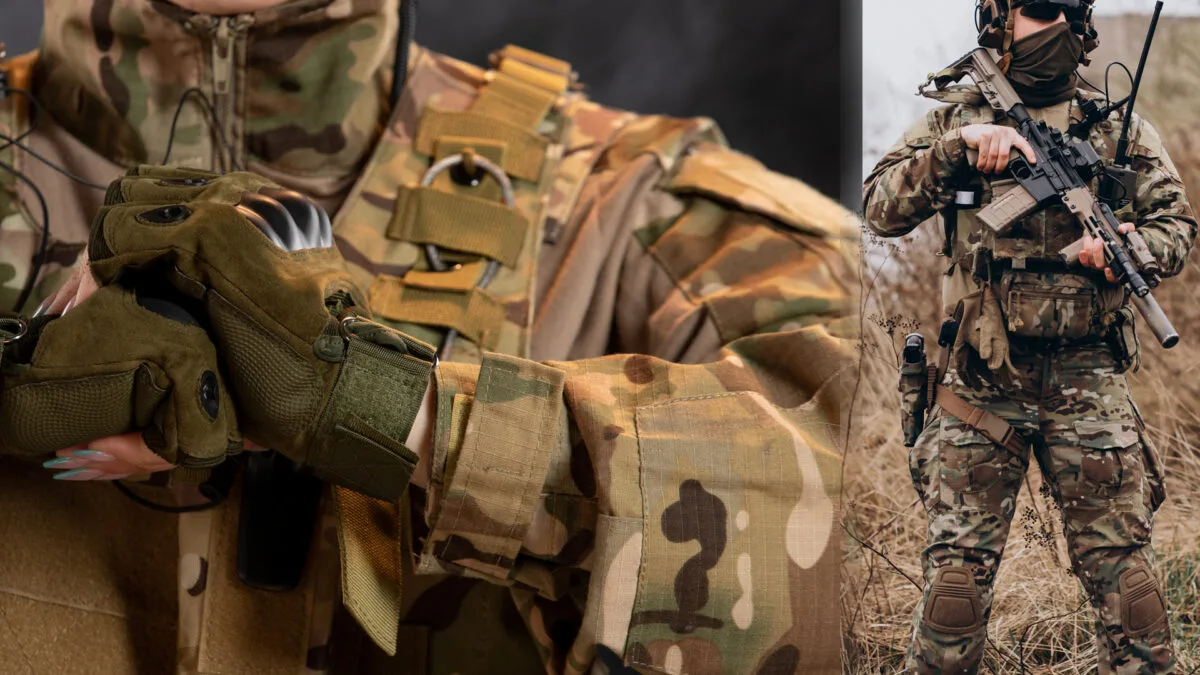
Carrington Textiles Introduces Defence Stock Range for Faster Access to Military Fabrics...view more







1.webp)


1.webp)
1.webp)
































.png)




.jpg)
.jpg)
.jpg)


1.jpeg)