

India Emerges as Principal Gainer in EU Leather Market after Tariff Elimination
Share Post
Zero Tariffs Unlock a New Export Era
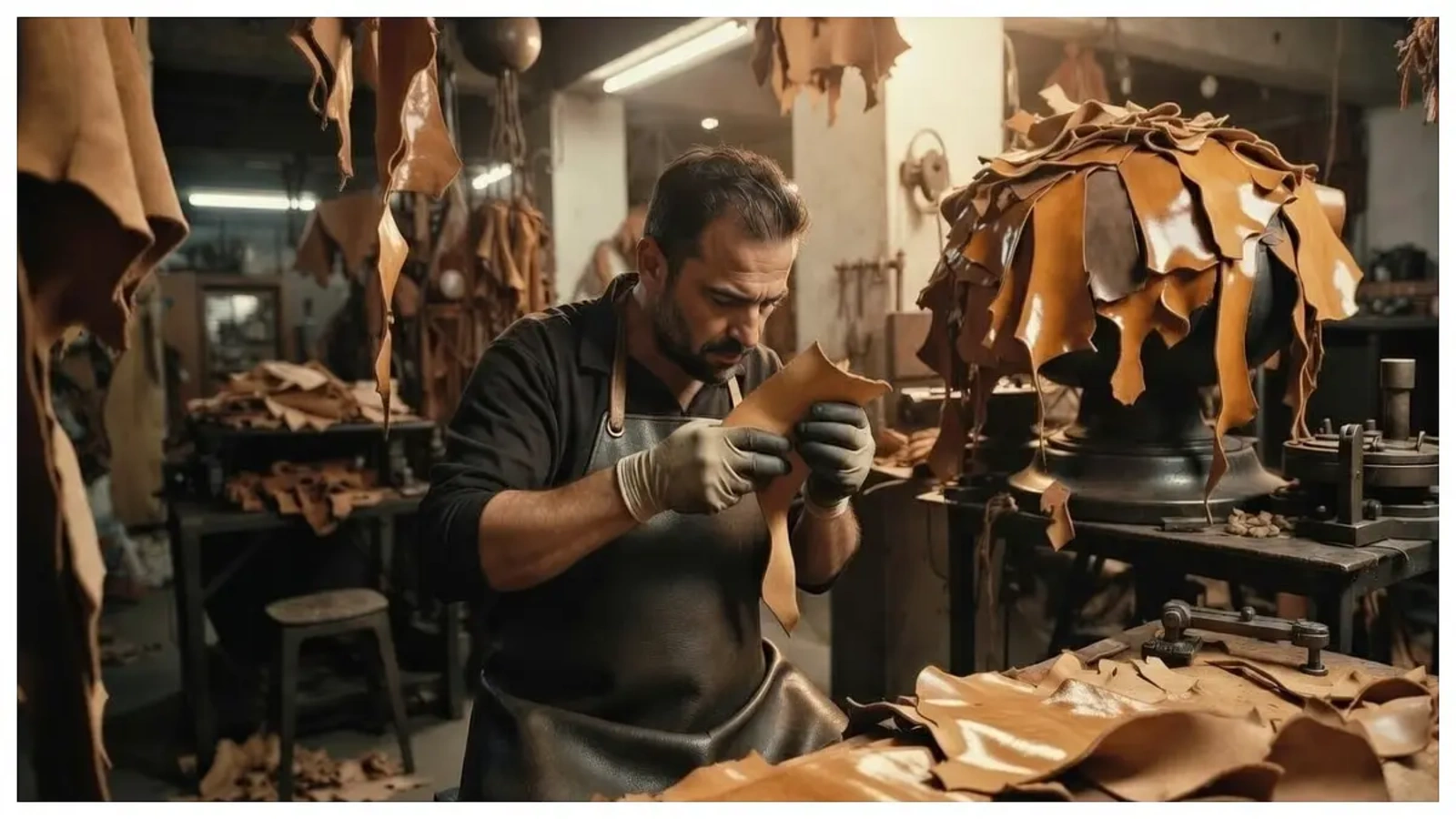
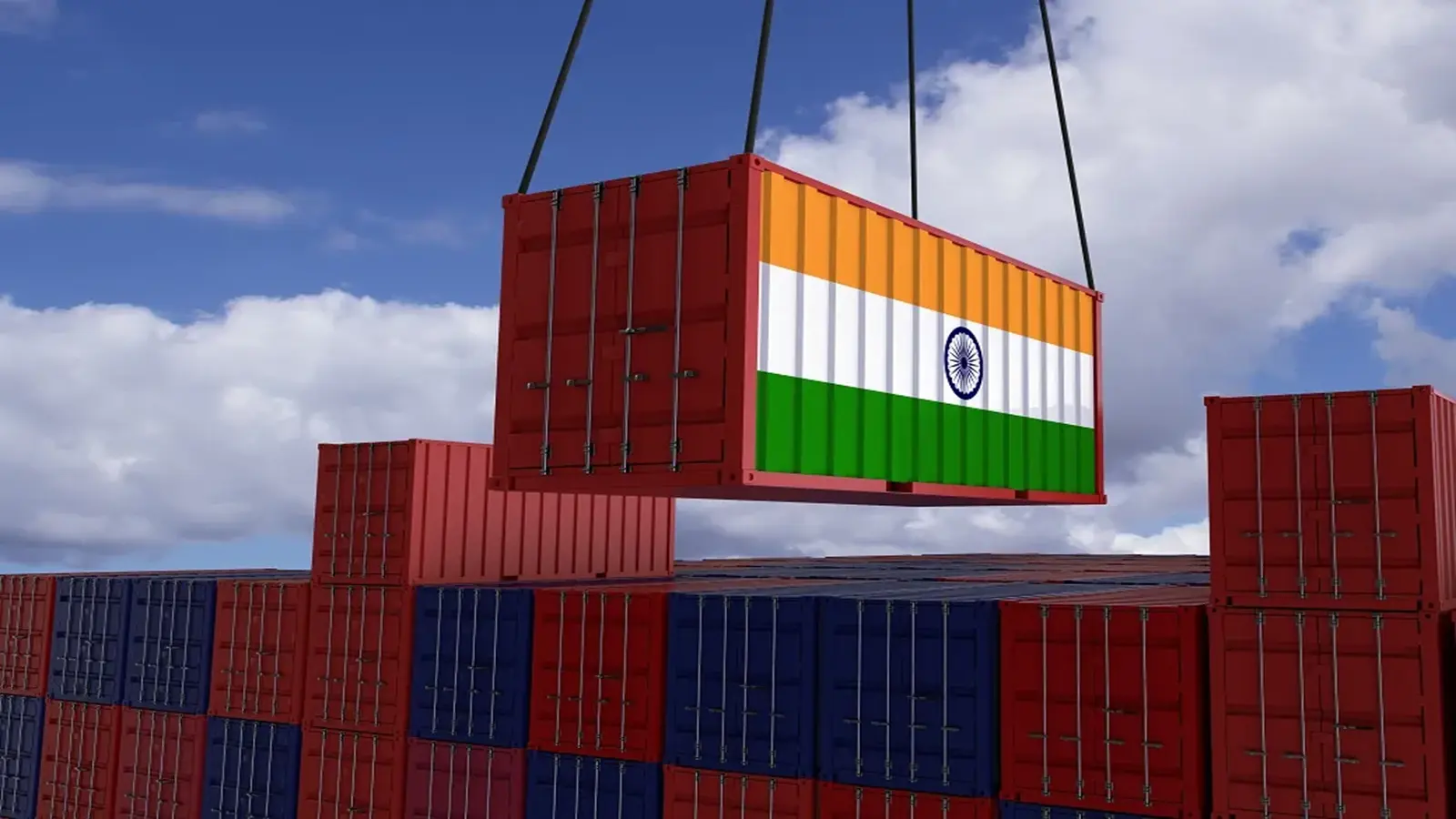
Indian leather and footwear industry is stepping into a powerful growth phase following the landmark India–EU trade pact, which has slashed import tariffs on Indian leather products from 17 percent to zero. According to CareEdge Ratings, this development positions India as the principal gainer among leather-exporting nations to the European Union.
The tariff removal places India on equal footing with competitors such as Bangladesh, Turkey and Vietnam, while China continues to face higher tariffs ranging between 16–17 percent. The move significantly enhances the cost competitiveness of India’s labour-intensive leather and footwear products in a European import market valued at nearly $100 billion. CareEdge estimates that the tariff elimination could strengthen India’s current leather exports of around $2.4 billion to the EU and help domestic players capture a larger share of the bloc’s high-value market.
Policy Support Strengthens Competitive Edge
The positive momentum is not limited to the EU pact alone. A combination of policy measures has created a favourable environment for the leather sector:
- India–EU FTA reducing tariffs to zero
- Union Budget 2026–27 cuts in Basic Customs Duty on key imported inputs
- Extension of export proceeds realisation timeline from six months to one year
- Reduction of US tariffs from 50 percent to 18 percent effective February 3
These measures collectively reduce cost pressures, improve working capital flexibility and restore price competitiveness in key export destinations.
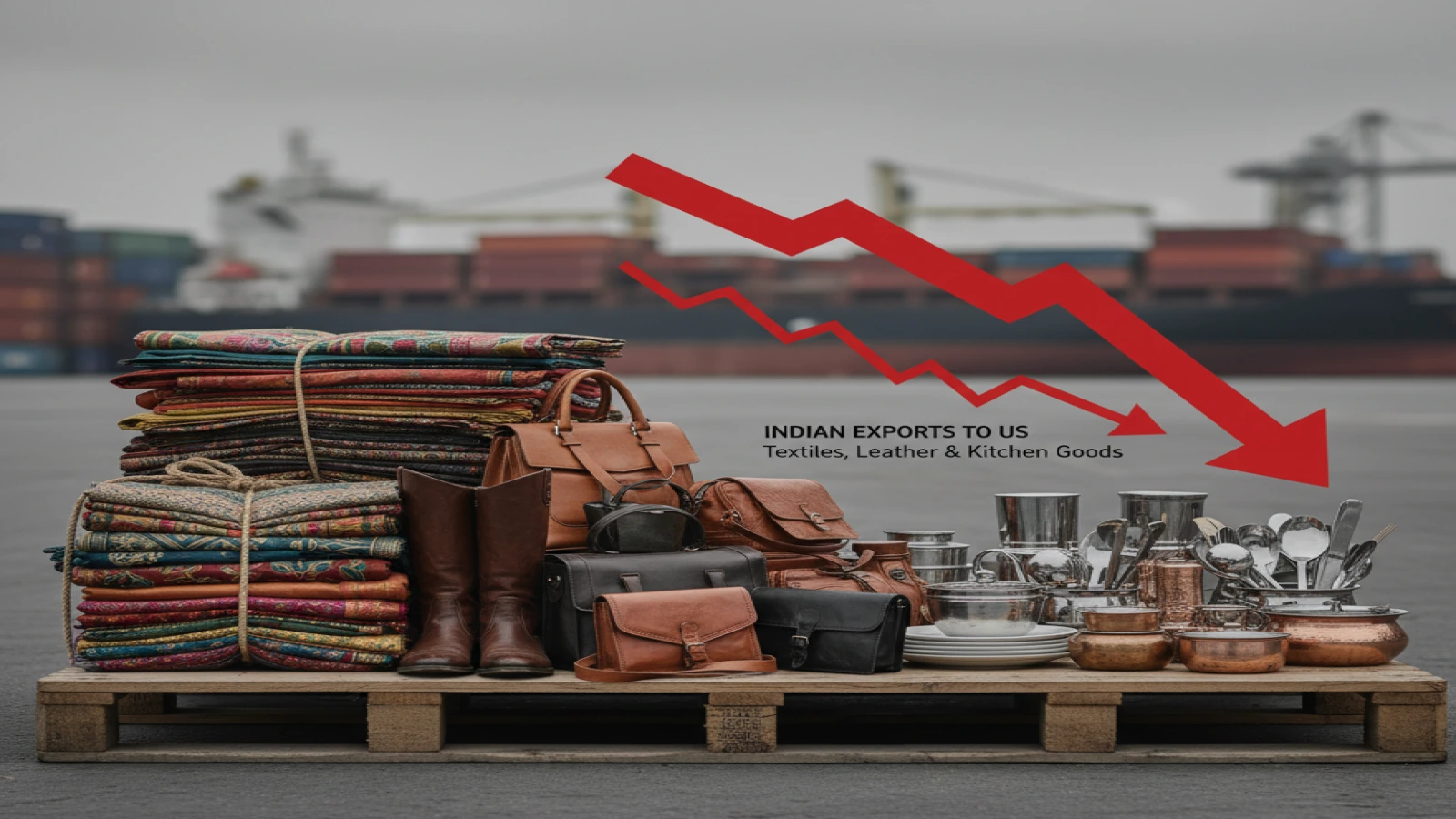
India’s leather exports, including footwear, garments, tanned leather and accessories, stood at $4.58 billion in FY25. The United States accounts for 22 percent of this share. Exports to the US had fallen sharply after a steep 50 percent tariff hike in 2025, but the recent reduction to 18 per cent is expected to revive demand and stabilise shipment volumes. In the first nine months of FY26, leather footwear exports reached ₹15,000 crore, with the EU accounting for 45 per cent and the US 20 percent highlighting the strategic importance of these two markets.
A $50 Billion Vision by 2030
India’s leather sector already commands a strong global presence:
- Second-largest exporter of leather garments
- Third-largest exporter of saddlery and harness
- Fourth-largest exporter of leather goods worldwide
With improved access to European markets, restored competitiveness in the US and supportive domestic policy reforms, industry analysts believe the sector is poised for accelerated growth. CareEdge projects that India’s leather industry could target a $50 billion turnover by 2030, driven by export momentum and rising domestic consumption.
The convergence of trade diplomacy, fiscal incentives and global demand shifts marks a defining moment for India’s leather exporters. As tariffs fall and competitiveness rises, the industry appears ready to expand its footprint in global markets turning policy reform into tangible export gains.
04:27 PM, Feb 20
Source : India Emerges as Principal Gainer in EU Leather Market after Tariff Elimination
Other Related Topics
.webp)
.webp)
Zero Stock Rule: Government Tightens Grip on Jute Market
12:14 PM, Apr 21.webp)
.webp)
EU Tightens Trade Guard: New Duties Reshape Glass Fibre Market
12:36 PM, Apr 20
Industry Update
1.webp)
1.webp)
1.webp)
1.webp)

India Textile Exports Fall in FY26: Apparel Shows Slight Strength Amid Global Challenges...view more
1.webp)

1.webp)

1.webp)
1.webp)
1.webp)
1.webp)
1.webp)


India Expands ₹10,683 Crore Textile PLI Scheme to Boost MMF and Technical Textile Growth...view more

1.webp)
1.webp)
1.webp)
1.webp)


1.webp)



1.webp)


1.webp)


1.webp)


1.webp)



1.webp)
1.webp)
Punjab Eyes Green Transformation of Textile Processing Clusters to Attract Global Brands...view more


1.webp)


1.webp)


.webp)
1.webp)
1.webp)

.webp)
1.webp)
1.webp)


1.webp)
1.webp)

1.webp)
1.webp)



1.webp)
1.webp)
1.webp)

1.webp)



1.webp)


1.webp)
1.webp)
.webp)


1.webp)


1.webp)

1.webp)

1.webp)


1.webp)


1.webp)
1.webp)
1.webp)


Kolkata Set to Become Textile Sourcing Hub as YARNEX and TEXINDIA Return in January 2026...view more
1.webp)
1.webp)

1.webp)


1.webp)


1.webp)
1.webp)
1.webp)


1.webp)
1.webp)
1.webp)

1.webp)


1.webp)


1.webp)
1.webp)


India Textile Industry 2025 Review: How US Tariffs Hit Exports, and the Road to Recovery...view more
1.webp)


1.webp)


1.webp)



1.webp)



1.webp)


1.webp)


1.webp)
1.webp)

Europe’s Textile Sector Alarms as Ultra-Fast Fashion Firms Partner With Postal Operators...view more

1.webp)
1.webp)

1.webp)

.webp)



1.webp)

1.webp)










1.webp)





.webp)



1.webp)


1.webp)

1.webp)


Indorama Ventures Pioneers Scalable Bio-Based PET Fibers for a Low-Carbon Textile Future...view more



Carrington Textiles Introduces Defence Stock Range for Faster Access to Military Fabrics...view more







1.webp)


1.webp)
1.webp)






























.png)




.jpg)
.jpg)
.jpg)


1.jpeg)